
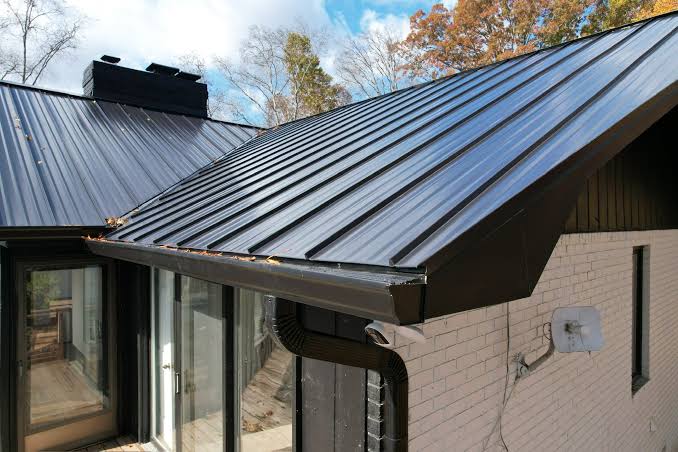
Most homeowners have a list of things they’d like to improve around the house. Maybe the front entrance could use a refresh, the walls have started to look faded, or rainwater keeps spilling over the edge of the roof during a heavy shower. These jobs can be easy to postpone, especially when everything seems to be working well enough. But a home’s exterior does more than create a first impression. It protects the structure, helps maintain indoor comfort, and keeps everyday weather from becoming a much bigger problem.
The good news is that looking after your home doesn’t have to mean taking on a complete renovation. Often, a few sensible maintenance habits and carefully chosen upgrades can make a noticeable difference. Knowing what to inspect, when to call a professional, and which repairs deserve priority will help you protect your investment without spending money unnecessarily.
Start With the Areas That Matter Most
When checking your home’s exterior, begin with the parts that keep water and weather out. Walk around the property and look for loose materials, damaged paint, cracked sealant, stains, or places where rainwater collects. You may spot a problem that has been developing for months without attracting much attention.
Pay particular attention after strong winds or heavy rain. Fallen branches, missing shingles, and overflowing drainage channels can indicate damage that needs prompt attention. Inside the house, unexplained ceiling stains, damp patches near windows, and musty smells may also suggest that moisture is getting in somewhere.
You don’t need to inspect every corner in one afternoon. Take photographs of areas that look questionable and revisit them later. If a crack grows or a stain spreads, you’ll have a clearer idea of how the problem is changing.
It is also useful to separate urgent repairs from cosmetic improvements. A peeling patch of paint might be able to wait, but an active leak or damaged exterior material that allows water inside should be investigated quickly. Fixing the underlying cause usually costs less than dealing with extensive moisture damage later.
Keep the Roof in Good Condition
The roof is one of the hardest-working parts of a home. It faces direct sunlight, wind, rain, falling debris, and temperature changes throughout the year. Because it is usually out of sight, it’s easy to forget about it until something goes wrong.
Quality roofing begins with suitable materials and proper installation, but ongoing care matters just as much. Missing or curling shingles, damaged flashing, loose roof edges, and excessive granules collecting near downspouts can all be signs that closer inspection is needed.
A roof doesn’t automatically need replacing because one section has deteriorated. In some cases, a qualified contractor can replace damaged materials or repair a vulnerable joint. However, if leaks keep returning or deterioration is widespread, it may be more sensible to consider a larger repair or replacement.
The age of the roof is worth knowing, although age alone doesn’t determine its condition. Material type, ventilation, installation quality, and local weather all influence how long a roofing system lasts. Ask for an assessment that considers the complete system rather than focusing only on the visible surface.
Never climb onto a wet, steep, or damaged roof to investigate a problem yourself. A ground-level inspection can reveal plenty, and a professional can safely examine areas that are difficult to reach.
Make Sure Rainwater Drains Properly
Rainwater needs a clear route away from the roof and foundation. When drainage doesn’t work as intended, water can spill down exterior walls, damage landscaping, stain walkways, and collect around the base of the house. Repeated pooling may eventually contribute to foundation moisture problems.
Well-maintained gutters help collect runoff and guide it toward downspouts. Leaves, twigs, dirt, and roofing granules can gradually block the flow, particularly during autumn or after a storm. When the channels become clogged, water may overflow precisely when the system is needed most.
Check whether the gutters are securely attached and whether downspouts carry water away from the foundation. If you notice water pooling beside the house after rainfall, the issue may involve more than debris. Incorrect gutter slope, insufficient capacity, poorly positioned downspouts, or uneven ground could all contribute.
Cleaning gutters regularly is a straightforward way to reduce blockages, but safety should come first. Ladders can slip, and wet surfaces are unpredictable. If the roofline is high or access is awkward, professional cleaning may be the safer choice.
Gutter guards can reduce the amount of debris entering the system, though they don’t eliminate maintenance completely. The most suitable option depends on the trees around your property, roof design, and local conditions.
Don’t Overlook Exterior Walls and Trim
Exterior walls take a constant beating from sunlight, rain, wind, and changing temperatures. Even durable materials gradually show signs of wear. Paint may peel, wood can soften, and small gaps around windows or doors may allow moisture to reach the underlying structure.
Well-maintained siding & exterior trim help protect vulnerable parts of the home while giving it a finished, consistent appearance. Depending on the existing materials, maintenance might involve repainting, replacing damaged sections, renewing appropriate sealants, or upgrading the siding altogether.
Before covering damaged surfaces, investigate what caused the deterioration. If paint keeps bubbling in the same location, moisture may be trapped behind it. If wood trim repeatedly rots near a window, the flashing or drainage details may need attention. Simply applying a fresh coat of paint could hide the symptoms without solving the problem.
Different exterior materials have different needs. Wood may require periodic painting or sealing, while vinyl generally needs cleaning and occasional checks for loose or cracked panels. Fiber cement and engineered products also have specific installation and maintenance requirements.
When planning replacements, consider durability, appearance, upkeep, and cost together. A material that looks beautiful but demands more maintenance than you’re prepared to provide may not be the best long-term choice.
Plan Maintenance Around the Seasons
A seasonal routine makes home maintenance feel less overwhelming. In spring, inspect the property for damage left by winter weather and check for loose materials or worn sealant. Summer can be a convenient time to arrange larger projects when conditions allow.
Autumn is ideal for clearing leaves from drainage channels and trimming branches that hang too close to the roof. Before winter, check doors and windows for visible gaps, look for signs of moisture, and address any known leaks before harsh weather arrives.
After a major storm, take another look at the property once it is safe to do so. You may notice debris, damaged panels, or drainage problems that weren’t obvious before. If you suspect structural damage or see electrical hazards, stay clear and contact the appropriate professionals.
Keeping a simple maintenance record can be surprisingly useful. Note the date of each inspection, the repairs completed, and any areas that need another look. This gives you a clearer picture of the home’s condition and helps you plan future expenses.
Spend Your Home Improvement Budget Wisely
Exterior work can become expensive when several projects compete for attention. Rather than trying to upgrade everything at once, focus on problems that could cause further damage, affect safety, or reduce the home’s ability to withstand weather.
Request written estimates for larger projects and compare what each one includes. Ask about materials, labor, cleanup, warranties, expected timelines, and any additional costs that might arise if hidden damage is discovered.
A low price isn’t always the best deal if important work has been excluded. Equally, the most expensive estimate isn’t automatically the most reliable. Look for clear explanations, relevant experience, suitable insurance, and a willingness to answer questions without pressure.
It helps to set aside money for unexpected repairs, too. Even a well-maintained home can suffer damage from a severe storm or an aging component that fails unexpectedly.
A Little Attention Goes a Long Way
Protecting your home’s exterior is less about achieving a perfect appearance and more about keeping the building dependable. Regular inspections, clear drainage, sound materials, and timely repairs can prevent many common problems from becoming expensive headaches.
Start with the areas that protect your home from water, then plan other improvements according to their condition and your budget. When something doesn’t look right, investigate it rather than assuming it can wait indefinitely.
A home doesn’t need constant renovation to remain attractive and comfortable. With practical maintenance and professional help when necessary, you can preserve its appearance, protect its structure, and feel more confident when the next season brings another round of rain, wind, or changing temperatures.