
Water is one of those things we expect to work without giving it much thought. Turn on the faucet, fill a glass, start the dishwasher, and carry on with the day. But when mineral deposits start appearing around fixtures or drinking water develops an unpleasant taste, something so ordinary suddenly becomes a source of frustration.
Investing in suitable whole-home and drinking-water systems allows property owners to address different water quality concerns through treatment technologies designed for specific household requirements.
Businesses can benefit from appropriate water treatment, too, particularly when their daily operations depend heavily on a consistent water supply.
Whether you’re looking after a family home or managing a commercial property, finding the right treatment arrangement begins with understanding your water rather than simply purchasing another piece of equipment.
Understanding What Your Household Water Really Needs
Not every home experiences the same water quality problems. Some households struggle with hardness-related deposits, while others notice discoloration, unusual odors, or suspended particles.
Choosing appropriate residential water treatment solutions involves identifying these concerns and selecting equipment that addresses the actual characteristics of your incoming water supply.
For example, a homeowner who constantly removes chalky deposits from bathroom faucets may benefit from water softening. Another household dealing with an unpleasant disinfectant taste might find activated carbon filtration more useful.
Water testing can help distinguish between these different requirements.
It’s also worth remembering that clear water isn’t necessarily free from potentially harmful contaminants. Properties relying on private wells may require additional laboratory testing to evaluate drinking water safety.
A little investigation beforehand can prevent unnecessary spending and disappointing results.
Why Water Quality Matters in Commercial Environments
For businesses, water quality isn’t simply a matter of personal preference. It can influence equipment performance, product consistency, maintenance expenses, and customer experiences.
Properly selected commercial water filtration systems can help organizations address specific water quality concerns while accommodating the higher consumption levels and operational demands associated with commercial properties.
Consider a coffee shop that relies on several water-using appliances throughout the day. Water composition can influence beverage flavor, while hardness minerals may contribute to scale formation inside equipment.
Hotels, restaurants, offices, and manufacturing facilities can have considerably different treatment requirements.
Equipment sizing, peak demand, and maintenance accessibility therefore deserve careful consideration.
The objective is to maintain water quality appropriate for the intended application without introducing unnecessary operating expenses or interruptions.
Should You Filter the Entire Property or Focus on Drinking Water?
This is a question many homeowners encounter when comparing treatment equipment.
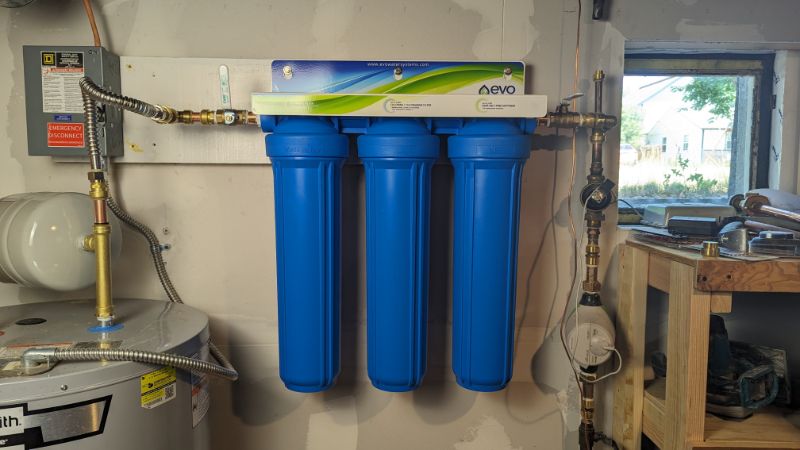
Whole-home filtration treats incoming water near the main supply connection before it reaches connected household fixtures. Depending on its design, this arrangement may address sediment, certain odors, and other targeted substances throughout the property.
Dedicated drinking water filtration, meanwhile, concentrates treatment at a particular location, usually the kitchen sink.
Under-sink reverse osmosis equipment can be useful for reducing various dissolved contaminants without applying the same specialized process to water used for bathing or laundry.
Some households benefit from combining centralized treatment with a dedicated kitchen filtration unit.
Others need only one simple system.
Think about where your water problems occur most frequently. That observation can help determine whether comprehensive treatment is genuinely worthwhile.
How Better Water Can Reduce Everyday Maintenance
Nobody enjoys spending their weekend scrubbing mineral deposits from shower screens or repeatedly descaling the kettle.
Hardness minerals, particularly calcium and magnesium, can contribute to scale formation when water is heated or evaporates.
Over time, these deposits may accumulate inside water heaters, dishwashers, and other appliances.
Appropriate softening can help limit future mineral buildup, potentially reducing certain maintenance requirements.
Sediment filtration may also help prevent suspended particles from accumulating inside sensitive plumbing components.
For commercial properties, addressing these concerns can be particularly valuable because equipment downtime may interfere with business activities.
Existing deposits might still require professional cleaning or servicing, but preventive treatment can help make future maintenance more manageable.
Choosing Treatment Equipment Without Unnecessary Expenses
Water treatment products often come with impressive descriptions and lengthy lists of features. Unfortunately, more features don’t automatically translate into better results.
Start by identifying which substances or water characteristics need attention.
Consider equipment with independently verified performance, appropriate treatment capacity, and practical maintenance requirements.
For homeowners, available installation space and daily consumption should influence equipment selection.
Businesses should also evaluate peak demand, operating schedules, and whether servicing can be completed without significantly affecting normal operations.
Ask about replacement components, electricity consumption, water efficiency, and long-term ownership costs.
Sometimes, reasonably priced equipment designed around specific requirements offers considerably better value than a more elaborate system.
Keeping Water Filtration Equipment Working Reliably
Installing treatment equipment is only the beginning of maintaining better water conditions.
Sediment cartridges gradually collect debris, activated carbon media eventually lose their treatment capacity, and conventional water softeners require periodic salt replenishment.
Following manufacturer maintenance recommendations helps preserve treatment performance.
For businesses, establishing a regular servicing schedule can help prevent unexpected equipment problems during busy operating periods.
Periodic water testing also remains important, particularly when treatment equipment addresses potentially harmful contaminants.
Remember that filtration alone shouldn’t automatically be assumed to make unsafe source water suitable for drinking.
A dependable maintenance routine protects both your equipment and the investment you’ve made.
Making Water Quality a Long-Term Priority
Better water doesn’t have to involve complicated systems or unnecessarily expensive installations.
Start with reliable testing, understand your property’s requirements, and choose treatment equipment that addresses genuine concerns.
For families, suitable filtration can make everyday activities more comfortable. For businesses, appropriate treatment may support more consistent operations and manageable maintenance expenses.
Water quietly influences so much of what happens throughout the day. Giving its quality some thoughtful attention can make a lasting difference, whether you’re preparing breakfast at home or opening the doors of a busy commercial establishment.