
The Water Behind Your Walls: Why It Deserves More Attention Than It Gets
March 27, 2026
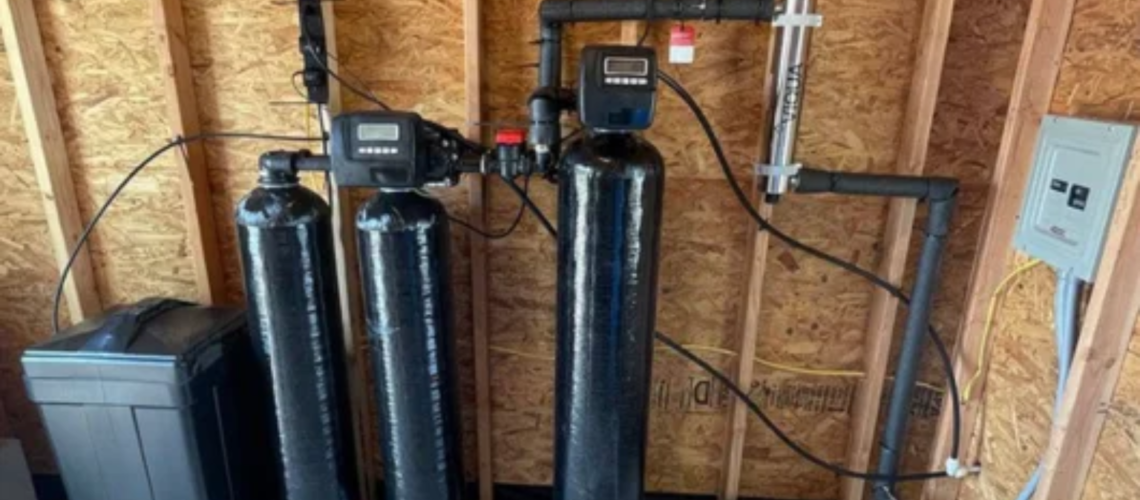
There’s something oddly invisible about water in our homes. It shows up when we turn a tap, disappears down the drain, and somehow we rarely question what’s happening in between. Until, of course, something changes. A strange taste. Low pressure. Stains that don’t quite make sense.
And suddenly, water isn’t just water anymore—it’s a quiet system you’ve been relying on without really noticing.
The Everyday Dependence We Don’t Talk About
Think about your day for a second. You wake up, brush your teeth, maybe make coffee. There’s a shower somewhere in there, dishes later, laundry at some point. Water threads through all of it.
But here’s the catch—it’s not just about availability. It’s about quality and consistency.
When things are working well, you don’t notice. When they’re not, even small issues start to feel frustrating. That’s when people begin looking into water treatment, often after weeks—or months—of subtle signs they brushed off at first.
It’s rarely a sudden decision. More like a slow realization that something could be better.
What “Better Water” Actually Means
The phrase “better water” sounds simple, but it’s surprisingly layered.
For some, it means removing that chlorine smell. For others, it’s about reducing hardness or getting rid of sediment. In certain areas, it might even be about addressing contamination risks.
There’s no single definition. And that’s part of why people get confused when they start exploring solutions.
But the goal isn’t perfection—it’s improvement. Making water more suitable for your home, your health, and your daily routines.
The Role of Filtration in Everyday Life
If you were to pick one place where people notice a difference quickly, it’s in what they drink.
Taste is immediate. You don’t need technical knowledge to recognize when water feels clean—or when it doesn’t. That’s why water filtration systems are often the first step people take.
They focus on removing impurities that affect flavor and odor, making water more pleasant to drink and cook with. It’s not just about safety—it’s about comfort.
You pour a glass, take a sip, and there’s no hesitation. That alone makes a difference.
Pressure, Flow, and the System You Rarely See
Now, let’s shift gears for a moment.
Water quality is one side of the story. The other is how water actually moves through your home.
Low pressure can turn a simple shower into a frustrating experience. Uneven flow can make appliances less efficient. And sometimes, the issue isn’t the water itself—it’s how it’s being delivered.
This is where water pumps quietly do their job. They regulate pressure, ensure consistent flow, and keep everything running smoothly behind the scenes.
You don’t think about them much—until something goes wrong. But when they’re working well, they’re the reason your water feels reliable.
How Everything Connects (More Than You’d Expect)
Here’s something people often overlook: these systems aren’t separate.
Water quality, filtration, pressure—they all interact.
If your water carries a lot of sediment, it can affect your pump over time. If pressure is inconsistent, filtration systems might not perform as efficiently. It’s all part of a bigger picture.
That’s why improving one aspect often leads to noticing others. You fix the taste, and suddenly you’re thinking about flow. You address pressure, and you start noticing buildup.
It’s less about isolated fixes and more about creating balance.
The Learning Curve (And Why It’s Not as Hard as It Seems)
Let’s be honest—once you start researching water systems, it can feel overwhelming.
There are terms you’ve never heard before. Dozens of options. Conflicting advice. It’s easy to feel stuck before you even begin.
But here’s the thing—you don’t need to understand everything.
Start with your experience. What’s bothering you? Is it taste? Pressure? Staining? Those clues are more valuable than any technical manual.
From there, the path becomes clearer. You’re not solving every problem—you’re solving your problem.
And that’s a much more manageable approach.
Small Changes, Real Impact
What’s interesting is how these upgrades don’t feel dramatic. There’s no big reveal moment.
Instead, it’s a collection of small improvements. Your morning coffee tastes better. Your shower feels more consistent. Your appliances seem to run a bit smoother.
Individually, they’re minor. Together, they change how your home feels.
And over time, that adds up.
Maintenance: The Part We Tend to Forget
Of course, none of this works without a bit of upkeep.
Filters need replacing. Pumps need occasional checks. Systems need attention—not constantly, but consistently.
It’s easy to overlook, especially when everything is working fine. But staying on top of maintenance is what keeps things from slipping back.
Think of it as a quiet commitment. A small effort that protects a bigger investment.
A Different Way to Look at Water
We spend a lot of time improving the visible parts of our homes. Furniture, lighting, décor—things we can see and show.
But water? It’s different. It works in the background, shaping your daily life in ways you don’t always notice.
Until you do.
And once you start paying attention, it’s hard to go back to not caring.
Because in the end, it’s not just about water—it’s about how your home supports you, every single day, without asking for recognition.