
It wasn’t the kind of realization that hits you all at once. No dramatic breakdown, no sudden disaster. Just a quiet moment in the shower, noticing my skin felt unusually dry—tight, almost. At first, I blamed the soap. Then the weather. But the feeling lingered.
Funny how something as routine as water can slowly start raising questions.
When Everyday Annoyances Start Making Sense
You don’t usually wake up thinking about your water. It’s just there, doing its job. But over time, small irritations creep in. Glassware that never quite looks spotless. Towels that feel stiff no matter how you wash them. A kettle that seems to age faster than it should.
These aren’t urgent issues. They don’t demand attention. But they add up—and often point to underlying hard water problems that quietly shape your daily routine.
What makes it tricky is how easy it is to normalize them. You adjust, adapt, and move on… until you realize you shouldn’t have to.
The Hidden Work of Minerals
Hard water isn’t dirty water. In fact, it’s full of minerals like calcium and magnesium—naturally occurring, completely normal. But when these minerals pass through your plumbing day after day, they leave behind traces.
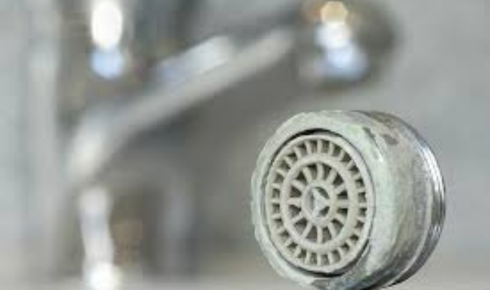
At first, it’s barely noticeable. Then, gradually, you start seeing hard water buildup in places you clean often but can’t seem to keep clear. Faucet edges collect a chalky residue. Showerheads lose their shine. Even your washing machine starts showing signs of wear earlier than expected.
It’s not dramatic, but it’s persistent.
Why Soap Never Feels Quite Right
One of the more frustrating aspects of hard water is how it interferes with soap. You use the same amount as always, but it doesn’t lather properly. It feels like it’s working against you, not with you.
That’s because minerals in the water react with soap, forming a kind of film instead of a smooth lather. The result? You end up using more product, rinsing longer, and still not feeling completely clean.
It’s subtle, but once you notice it, it changes how you think about something as simple as washing your hands.
The Silent Impact on Your Home
Beyond personal comfort, hard water has a way of affecting the things around you. Appliances that rely on water—like dishwashers, washing machines, and even water heaters—don’t perform as efficiently over time.
That’s largely due to scale buildup, which forms inside pipes and heating elements. It reduces efficiency, increases energy use, and can eventually shorten the lifespan of expensive equipment.
The frustrating part? You don’t always see it happening. It works quietly, behind the scenes, until something needs repair or replacement sooner than expected.
Living With It vs. Doing Something About It
For many people, hard water is just part of life. Something to tolerate rather than fix. And to be fair, it’s not harmful in the way contaminated water might be.
But that doesn’t mean it has to stay that way.
Addressing hard water isn’t about chasing perfection—it’s about improving comfort. Making small, meaningful changes that simplify your daily routine instead of complicating it.
Finding a Practical Way Forward
If you’ve started noticing these signs, you don’t need to jump straight into complicated solutions. The first step is simply recognizing what’s happening. Once you understand the cause, options become clearer.
Some households choose water softening systems to reduce mineral content. Others make smaller adjustments, depending on their needs. There’s no universal answer—just a range of possibilities that can make life a bit easier.
And honestly, that’s enough.
A Subtle Change That Sticks
Looking back, it’s strange how long I ignored those early signs. The dry skin, the stubborn spots, the slightly off feeling after a shower—they all pointed to something I hadn’t considered.
Fixing it didn’t transform my life overnight. It wasn’t dramatic or flashy. But it did remove a layer of friction I didn’t realize was there.
And sometimes, that’s what improvement looks like. Not a big leap, but a quiet shift toward something that just works better.
Water, after all, should feel effortless. And when it does, you barely notice it at all—which, in a way, is the best outcome you could ask for.