
The Day I Realized My Water Wasn’t as Innocent as It Looked
March 24, 2026
It started with something small—one of those details you almost ignore. A glass of water that didn’t taste quite right. Not bad, exactly. Just… off. I remember standing there for a second longer than usual, wondering if it was the glass, or maybe something I’d eaten earlier.
But that moment stuck.
Water is supposed to be simple. You turn on the tap, you drink, you move on. No questions asked. And yet, if you’ve ever paused long enough to notice, you’ll realize water has its own personality depending on where you are. Some homes feel fine. Others? Not so much.
I didn’t think much about it at first. But slowly, piece by piece, things began to add up.
When the Signs Start Showing Up Quietly
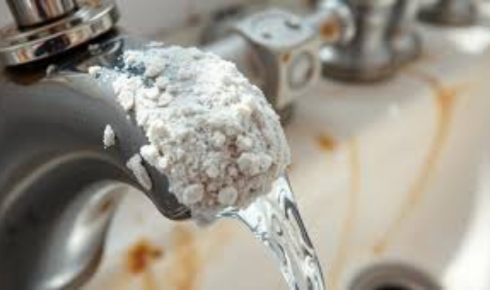
It wasn’t just the taste anymore. There were these faint white marks on my utensils after washing them. My bathroom taps had that chalky buildup that refused to disappear no matter how much I scrubbed. Even my skin felt a little drier than usual after showers.
Nothing dramatic. Just enough to be annoying.
And like most people, I adjusted. Switched detergents. Bought better cleaning products. Tried a different body wash. But the results were always temporary.
That’s when I realized—I wasn’t fixing the problem. I was just working around it.
Understanding what’s actually happening in your water requires a bit of curiosity, maybe even a shift in perspective. Proper water problems diagnosis isn’t about jumping to solutions immediately. It’s about stepping back and asking, “What exactly is going on here?”
Because until you know that, everything else is just guesswork.
The Silent Wear and Tear You Don’t Notice
Hard water is one of those things people talk about casually, but rarely take seriously—until it starts affecting everything.
Over time, mineral deposits build up in places you can’t even see. Inside your pipes. Your geyser. Your washing machine. It’s slow, almost invisible damage.
And then one day, your appliances don’t perform like they used to. Your water heater takes longer. Your clothes don’t feel as clean. Your taps look older than they actually are.
That’s the real story of hard water damage. It doesn’t hit all at once. It creeps in, layer by layer, until you start noticing the consequences.
Even your daily routine changes. Soap doesn’t lather properly. Shampoo feels less effective. You end up using more of everything just to get the same result.
It’s frustrating, but more importantly—it’s unnecessary.
That Taste You Can’t Quite Ignore
Let’s go back to that first moment—the taste.
If you’ve ever taken a sip of water and felt like you’re drinking something slightly chemical, you’re not imagining it. That faint, almost pool-like aftertaste? It’s often chlorine.
Now, chlorine isn’t the enemy. It’s used to disinfect water and make it safe. But sometimes, the balance isn’t quite right. And when that happens, the experience of drinking water changes.
Those subtle chlorine taste issues can turn something as simple as hydration into something you avoid. You might find yourself reaching for bottled water more often, or adding flavor just to mask the taste.
It’s not about being picky. It’s about wanting something as basic as water to feel… natural.
How Everything Connects More Than You Think
What surprised me most was how interconnected all of this is.
The taste, the texture, the effect on your skin, the wear on your appliances—it’s all part of the same system. Water isn’t just something you drink. It’s something you live with.
Once you start connecting those dots, it becomes clear that ignoring water quality isn’t really an option. Not if you care about your comfort, your home, or even your long-term expenses.
And yet, most of us delay doing anything about it.
Why?
Because it doesn’t feel urgent.
Why We Put It Off (Even When We Know Better)
Water problems are subtle. They don’t scream for attention. They whisper.
And in a world where we’re constantly dealing with urgent, visible issues, whispers are easy to ignore.
A leaking pipe? You fix it immediately. A broken appliance? Same thing. But water quality? It sits somewhere in the background, quietly affecting your life without demanding action.
Until one day, you realize you’ve been compromising more than you thought.
Starting Small, Without Overcomplicating It
The good news? You don’t need to overhaul your entire home overnight.
Start with awareness. Pay attention to what your water is telling you. Notice the patterns. The taste, the buildup, the way it interacts with your daily routine.
If something feels off, explore it. Test your water if needed. Understand what you’re dealing with before jumping into solutions.
Because once you have clarity, the next steps become much easier.
A Change That Feels Bigger Than It Looks
Improving your water isn’t flashy. It’s not something you’ll show off or talk about much.
But it’s there—in the background, making everything just a little better.
Your showers feel more comfortable. Your drinking water feels cleaner. Your home runs more smoothly.
And maybe the best part?
You stop noticing the problems.
Sometimes, that’s the biggest upgrade of all.