
When Water Fights Back: Real Talk About Minerals, Scale & Hard Water Havoc
December 19, 2025
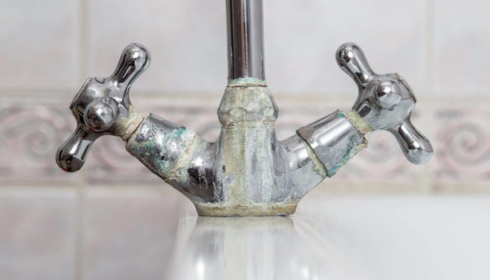
Let’s get real for a second — water is supposed to be simple, right? You turn on the tap, and it flows. But what if that same water is quietly messing with your appliances, plumbing, and even your skin? That’s not just any water. That’s hard water — and if you’ve ever seen cloudy spots on your glassware, felt your hair go haywire after a shower, or watched your kettle die a slow, crusty death, you’ve probably dealt with it firsthand.
And hey, you’re not alone. Millions of households, especially in certain regions, are fighting this invisible, chalky enemy every single day.
The Invisible Trouble in Your Tap
Most of us assume water is water. It’s clear, clean (hopefully), and ready to hydrate, wash, and rinse. But here’s the thing: the water that flows through your pipes can carry a ton of dissolved minerals — mostly calcium and magnesium. The higher the concentration, the harder the water.
Now, hard water isn’t toxic. It won’t poison you. In fact, some even argue it’s better for drinking. But where it really stirs up chaos is everywhere else — in your home, on your body, and inside your appliances.
And that’s where the real problem begins. Hard water issues creep up slowly. At first, it’s just soap that won’t lather well. Then your clothes start feeling stiff. The showerhead begins to spray in weird directions. Your water heater’s efficiency drops. It’s death by a thousand mineral cuts.
Not-So-Fun Fact: Your Pipes Are Crusting Over
Let’s talk about pipes for a moment. Imagine your home’s plumbing like arteries. Over time, the minerals in hard water start to settle. Slowly, steadily, they layer themselves inside your pipes, your fixtures, your dishwasher — basically, anything that water touches.
This layering is called scale buildup, and it’s not just gross — it’s expensive. Those crusty deposits of calcium and magnesium act like cholesterol in your water system, narrowing the passage, reducing flow, and causing your appliances to work overtime.
It’s why your hot showers aren’t as hot anymore. It’s why your dishwasher sounds like it’s gasping for air. It’s why you’re descaling your kettle every other week, only to find that white crust again the next morning.
That Gritty Feeling on Your Skin? Yep, That’s the Minerals
Hard water doesn’t just mess with pipes and machines — it messes with you. Ever felt like there’s still soap on your skin, even after rinsing for ages? That’s not leftover body wash. It’s the minerals reacting with your soap to form a weird, sticky film.
Over time, it clogs pores, dries your skin, and even worsens conditions like eczema. Hair? Don’t even get us started. Hard water makes it dull, brittle, and nearly impossible to manage, no matter how many products you throw at it.
Those mineral deposits don’t play around. They sneak into your life in ways that are hard to notice — until one day, your favorite black t-shirt comes out of the wash looking like it aged a decade, your skin feels like sandpaper, and your coffee maker refuses to make decent coffee.
Laundry Woes & Soap That Just Won’t Behave
You’re pouring more detergent than ever, scrubbing stains that never used to exist, and wondering why your whites are looking… not-so-white. That’s hard water again. It reacts with soap and detergents, neutralizing them so they’re way less effective.
It’s like paying full price for a meal and only getting a side salad.
And it gets worse. Those minerals embed themselves in fabrics, wearing them down, making them stiff, and even causing colors to fade faster. So not only are you using more detergent, but you’re also replacing your clothes more often. Subtle, sneaky, and expensive — that’s the hard water way.
What You Can (and Should) Do About It
Alright, enough doom and gloom. The good news? You can fight back.
The most popular solution? Water softeners. These systems replace calcium and magnesium ions with sodium or potassium ions, turning hard water into soft water. You’ll notice the difference almost instantly — smoother skin, fluffier towels, clearer glasses.
There are also salt-free conditioners, magnetic descalers, and filters, each with varying levels of effectiveness. But it’s not just about installing a gadget and calling it a day. It’s about understanding why your water behaves the way it does — and what your home specifically needs.
Get your water tested. Know your hardness level. Talk to a pro if you’re unsure. Because once you start solving the problem at its source, everything else — from plumbing to laundry to your morning coffee — starts to feel… lighter.
Final Thoughts: It’s Just Water… Until It’s Not
Hard water is one of those problems that doesn’t feel urgent until the damage is already done. That’s what makes it so tricky. It’s not loud. It’s not dramatic. It just slowly chips away at your home’s efficiency, comfort, and even your wallet.
But now that you know the signs, and understand the science behind it, you’re already one step ahead.
Water is life, sure. But not all water is created equal. And sometimes, protecting your home and your health starts with simply asking — what’s really in my water?
Because once you stop treating it like a minor nuisance and start seeing it for the long-game disruptor it is, you can start reclaiming your appliances, your skin, your hair, and even your peace of mind.