
When the Water Fights Back: A Human Take on Softeners, Solutions, and Stubborn Minerals
December 20, 2025
There’s something deeply frustrating about water that should be clean—but just isn’t playing nice. Maybe it’s those crusty white rings clinging to your faucets, or the stiff towels that feel like sandpaper no matter how much fabric softener you drown them in. Or maybe it’s that vague, itchy feeling after a shower, like your soap never quite rinsed off. Welcome to the wonderfully annoying world of hard water.
I’ve been there—scrubbing until my hands were raw, replacing appliances far too soon, wondering if I was just imagining things. Turns out, I wasn’t. And neither are you.
Let’s talk about what’s really going on—and what you can actually do about it.
So… What Is Hard Water, Anyway?
Hard water is basically water that’s been hitting the mineral gym a little too hard. It’s packed with dissolved calcium, magnesium, and other minerals that your pipes and skin would probably rather skip.
It’s not dangerous in the way that contaminated or dirty water is, but man, can it be disruptive. It shortens the lifespan of appliances, messes with detergents, and slowly builds up scale deposits that choke your plumbing. Your clothes get dingy, your dishes stay spotty, and your hair? Flat, dry, frizzy. Lovely.
I didn’t even realize how bad mine was until I stayed a week at my sister’s place—two towns over. Same shampoo, same skin, totally different feel. That’s when I started digging into hard water solutions and realized… there’s actually a way out.
Why Everyone’s Whispering About Water Softeners
Not to sound dramatic, but discovering water softener systems felt like stumbling across a secret society. Suddenly, all those clean-looking sinks and soft laundry made sense.
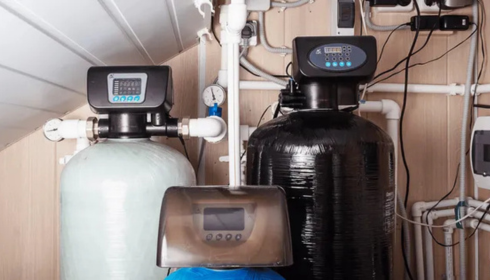
Water softeners basically swap out those calcium and magnesium ions for sodium (or potassium, depending on the system). Think of it like a gentle exchange program. The result? Soft water that plays nicely with soap, appliances, and your skin.
The effect is noticeable. The shower feels silkier. My kettle stopped getting that crusty buildup. I no longer had to wage weekly war against my dishwasher’s cloudy film. Small things, but they really add up when you’re just trying to live your life without fighting your plumbing.
But Hold On… Are Softeners the Only Answer?
Nope. That’s where things get interesting.
See, while softeners are the heavy hitters, there’s a whole lineup of water hardness reduction strategies out there. Some folks go with electronic descalers (these alter the structure of minerals so they don’t cling). Others use specialized filters for individual appliances—like a washing machine softening pod or a faucet-mounted filter.
Then there’s the DIY route. Vinegar can work wonders on scale buildup. Washing clothes in cold water with a splash of baking soda can reduce stiffness. None of these are long-term solutions, but they help you manage symptoms if a full-blown softener isn’t in the cards yet.
Still, if your water is really hard? A system is probably worth it. I used to think it was a luxury. Now I realize it’s more like fixing a leaky roof—it prevents a cascade of future issues.
The Surprising Costs of Doing Nothing
One thing no one talks about enough? The real cost of ignoring hard water.
I burned through a washing machine in five years. My dishwasher? Gave up halfway through its life expectancy. Faucets corroded. Pipes clogged. Even my electric kettle took early retirement, despite religious descaling rituals.
If I’d known then what I know now, I would’ve dealt with the water problem first. It’s not just about convenience—it’s about preserving what you’ve already paid for.
The emotional toll of replacing appliances early, fixing plumbing disasters, or fighting endless soap scum? Not fun. And it’s so avoidable.
Choosing the Right Fix (Without Getting a Headache)
Here’s the part where a lot of people freeze: choosing the right system. There are salt-based, salt-free, magnetic, dual-tank, single-tank, hybrid systems—and about 50 different brand names shouting at you from every direction.
My advice? Start with your water report. Some cities provide them for free, or you can get a test kit online. You’ll want to know the grains per gallon (gpg) of hardness. Under 3 is soft. Over 10? You’re in hardcore mineral territory.
Once you know what you’re working with, match it to your needs. Big family? Go for a high-capacity, automatic regenerating softener. Just you and your cat? A compact model might be plenty.
Talk to people, too. Your neighbor who always has shiny glassware? Ask what system they’re using. People love to share when something works.
It’s Not About Fancy Water. It’s About Better Water.
If you’re still on the fence, I get it. It feels weird to invest in something you can’t see. But you will feel it. You’ll see it in the reduced soap usage, the longer-lasting appliances, the better-feeling hair.
For me, the moment that sealed it was when my dry, flaky skin cleared up—without switching skincare products. It wasn’t my lotion failing me. It was the water all along.
A good water softener system didn’t just soften the water—it softened the day-to-day grind of living with hard water. That’s something I didn’t know I needed until I had it.
Final Thoughts: You Deserve Easier Living
We often put up with minor annoyances in life because they’re “not that bad.” But when those little things pile up—crusty faucets, stiff laundry, short-lived appliances—they stop being little. They become a low hum of frustration in the background.
Fixing your water might not be glamorous. It’s not something you brag about over dinner. But it’s one of those changes that quietly improves your quality of life in dozens of ways.
So if your water’s been acting more like an enemy than a friend? Maybe it’s time to stop fighting it—and start working with it.