
The Water We Deserve: A Personal Take on Cleaner Drinking at Home
December 20, 2025
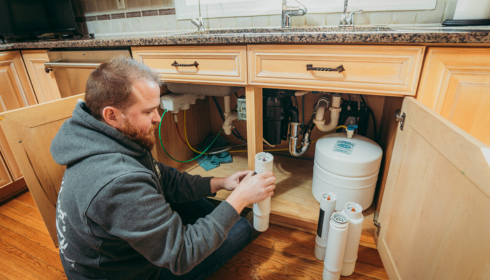
We don’t always think about water—until it tastes off, smells funny, or leaves a weird stain on the sink. Then suddenly, it’s all we can think about. The truth is, water should be clean, safe, and refreshing every single time it touches your life. Not just for drinking but for cooking, bathing, washing clothes, and everything else in between.
I didn’t always think this way, to be honest. I used to assume that if water came out of the tap, it had to be fine. Turns out, that’s not always the case—especially if you live in a rural area, rely on well water, or your municipal system has “issues.” That’s when I started looking into drinking water systems and realized just how much control we can actually have over what flows into our homes.
The Little Clues We Ignore
You ever notice those orange streaks in your toilet bowl that just won’t go away? Or that strange, metallic taste in your tea? Maybe your laundry doesn’t feel as soft or comes out looking a little dingier than you’d expect. These things seem small, sure. But they’re signals—your water’s trying to tell you something.
Sometimes it’s iron. Sometimes it’s sediment. Sometimes it’s just too many minerals clashing with your soaps and appliances. And while most of it isn’t immediately “dangerous,” it sure isn’t what you’d call ideal either.
Understanding the Quiet Workhorses of Clean Water
The best water filtration isn’t flashy. It’s not some showpiece gadget you brag about at parties. But it is the quiet hero behind every good cup of coffee, spotless dish, and healthy glass of H2O.
One of the most underrated tools I’ve discovered for problem water—especially in older homes or well systems—is residential iron filtration. It does exactly what you think: pulls the iron out of your water before it can stain your sinks, your showers, or your white shirts. If you’ve ever dealt with that rusty tint, this system is nothing short of a game-changer.
And the best part? It works in the background. You install it, maintain it as needed, and suddenly your water just works—the way you always assumed it would.
Not All Filters Are Created Equal
Let’s get real for a minute—those pitcher filters from the grocery store? They’re fine in a pinch. But they’re not a long-term solution. They’re built for convenience, not consistency. If you really want to feel the difference in taste, clarity, and safety, you’ve got to look a little deeper.
That’s where residential reverse osmosis comes into play. It’s a mouthful of a name, sure, but the concept is simple: it forces your water through a semi-permeable membrane that catches pretty much everything bad—heavy metals, chlorine, nitrates, weird chemicals you can’t pronounce, and more.
You turn on the tap, and boom—pure, clean water right into your glass. It’s not just filtered—it’s purified. I didn’t realize how much of a difference that could make until I installed one in my own home. It was like drinking bottled water, minus the plastic and waste.
Why DIY Doesn’t Always Cut It
Look, I’m all for a good weekend project, but water filtration is something I think we should leave to the pros—especially if we’re talking about whole-home solutions. There’s just too much variation in local water quality, plumbing setups, and maintenance needs.
The good news? There are plenty of companies out there that don’t just sell systems—they test your water first. They listen. They build solutions based on what you actually need, not what’s trending or expensive.
You’re not buying a gadget. You’re investing in peace of mind. And honestly, that’s worth every penny.
It’s About More Than Just Taste
Sure, clean water tastes better. But the impact goes beyond your tongue. It touches your skin, your hair, your clothes, your dishes. It affects your water heater, your dishwasher, even the way your plants grow.
And let’s not forget: cleaner water means fewer chemicals in your body, fewer allergens in your air, and fewer problems down the line. That’s a quality-of-life upgrade that just keeps paying off.
When to Say “Enough is Enough”
If you’ve been putting off dealing with your water—waiting for a “worse” problem to show up—maybe it’s time to rethink that. You shouldn’t have to fight your own water to feel clean or safe.
Start with a water test. It’s simple, usually free, and tells you more than guesswork ever could. From there, you’ll know whether you need something as specific as residential iron filtration, or something more comprehensive like residential reverse osmosis. Or maybe both.
Either way, the solution exists. And it’s more accessible than you probably think.
The Bottom Line
Water is such a basic part of life, it’s easy to forget how much it matters—until you taste the difference. Clean water isn’t just about health; it’s about comfort, confidence, and care. It’s about knowing that every sip, every shower, every wash is right.
So if your water’s been giving you side-eye lately—odd smells, strange colors, lingering doubts—it might be time to show it some love.