
Hot Water, Hard Lessons: What Your Home’s Water System Is Trying to Tell You
March 28, 2026
There’s something oddly comforting about hot water. You don’t really think about it much—until it’s gone. Then suddenly, everything feels off. Showers turn rushed and unpleasant, dishes pile up, and even washing your hands feels like a chore.
It’s one of those everyday things we rely on without noticing. Until the day it stops working, and you’re left wondering how something so basic became so important.
The Quiet Backbone of Your Home
Water systems are a bit like the nervous system of a house. They don’t ask for attention, but they’re always there, doing their job in the background. Pipes, heaters, valves—each part playing its role without much fuss.
But over time, things wear down. Sediment builds up. Parts age. Efficiency drops. And slowly, almost quietly, your system starts to struggle.
The tricky part? It doesn’t always happen all at once. It’s gradual. Subtle. Easy to ignore—until it isn’t.
Choosing Between Old and New Ways of Heating Water
If you’ve ever looked into replacing a water heater, you’ve probably come across the debate. Traditional versus modern. Tank versus tankless.
Both have their place, honestly.
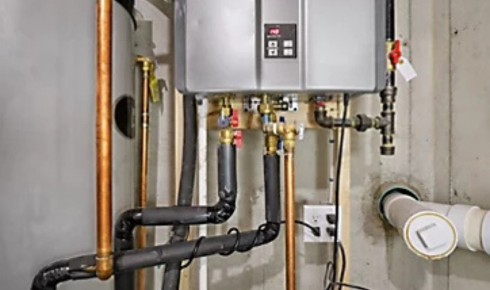
Tankless water heaters have gained popularity for a reason. They heat water on demand, meaning you’re not storing hot water—you’re creating it as needed. That sounds efficient, and in many cases, it is. Endless hot water, lower energy usage over time, and a compact design that doesn’t take up much space.
But here’s the thing—“better” doesn’t always mean “better for everyone.” Tankless systems can have higher upfront costs and may require upgrades to your home’s electrical or gas setup. It’s not always a plug-and-play solution.
Why Traditional Systems Still Stick Around
On the other hand, conventional water heaters—the ones with tanks—are still incredibly common. And not just because people haven’t switched yet.
They’re reliable. Simple. Familiar.
A tank heater stores a set amount of hot water, ready to use whenever you need it. It’s straightforward, and for many households, it works just fine. Installation is usually easier, and the upfront cost is lower compared to newer systems.
Of course, there are trade-offs. Once the hot water runs out, you have to wait for it to heat up again. And over time, energy efficiency can become an issue, especially if the system is older.
Still, there’s something to be said for a system that’s been tried and tested over decades.
It’s Not Just About Heating—Water Quality Matters Too
Here’s something people often overlook: it’s not just about getting hot water. It’s about the quality of that water.
If you’ve ever noticed white spots on your dishes, dry skin after a shower, or buildup around faucets, you’ve probably dealt with hard water. It’s more common than most people realize.
That’s where water softeners come into the picture. They don’t heat water—they improve it. By reducing minerals like calcium and magnesium, they help prevent buildup in pipes and appliances.
And the difference? It’s noticeable. Softer skin, cleaner dishes, longer-lasting plumbing systems. It’s one of those upgrades that doesn’t feel essential… until you experience it.
Small Signs That Something Isn’t Right
Water systems don’t usually fail overnight. They give hints—small ones at first.
Maybe your hot water doesn’t last as long as it used to. Maybe the temperature fluctuates unexpectedly. Maybe you hear strange noises coming from the heater. These things might seem minor, but they’re often early signs of bigger issues.
Ignoring them is easy. Dealing with them later? Not so much.
The Balance Between Repair and Replacement
At some point, every homeowner faces the same question: do you repair the system, or replace it?
There’s no one-size-fits-all answer. It depends on age, condition, efficiency, and cost. A quick repair might extend the life of your system for a few more years. But sometimes, it’s just delaying the inevitable.
And while replacing a water system isn’t exactly exciting, it can make a big difference in daily comfort. Better efficiency, more consistent performance, fewer surprises.
The Role of Professional Insight
It’s tempting to rely on quick online research when something goes wrong. And to be fair, there’s a lot of useful information out there.
But every home is different. Every system has its quirks. What works in one situation might not work in another.
That’s where professional advice becomes valuable. Not just for fixing problems, but for understanding your options. What suits your household? What fits your budget? What will last?
Sometimes, a short conversation with the right person can save you from making the wrong decision.
Living With a System You Can Trust
At the end of the day, your water system should be something you don’t have to think about. It should just… work.
Hot water when you need it. Clean water throughout your home. No unexpected issues, no constant adjustments.
And while achieving that might require a bit of attention now and then, it’s worth it. Because once everything is running smoothly, you notice the absence of problems more than anything else.
A Final Thought, Simple but True
We often focus on big home upgrades—the ones you can see. New furniture, fresh paint, better lighting. But some of the most important systems are the ones hidden behind walls.
Your water system is one of them.
So whether you’re considering an upgrade, dealing with an issue, or just trying to understand how it all works, take a moment to pay attention. Listen to the signs. Ask questions.
Because when it comes to comfort at home, few things matter more than water that works exactly the way it should.