
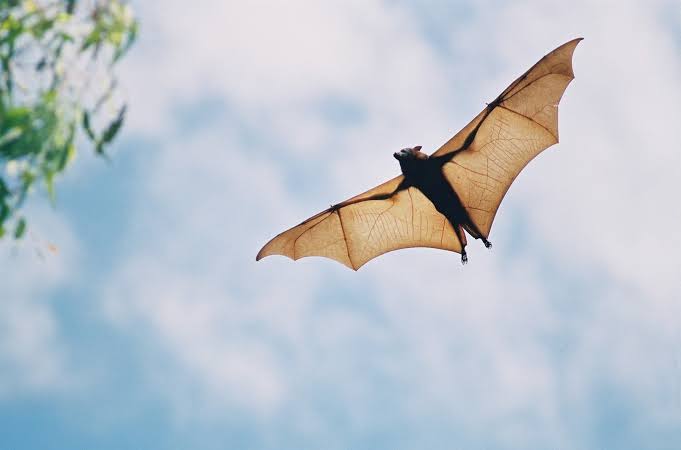
The Shenandoah Valley has a rhythm that bats follow every year. Caves and rocky ridges in the region give bats places to spend the winter. When spring arrives, many of them move into buildings where it is warmer. By early summer, female bats gather in groups called maternity colonies to raise their young. For homeowners in Augusta County, that often means an attic suddenly becomes much busier.
Spring: Bats Return
As nights warm up in April and May, bats become active again. This is when many homeowners first notice them. Look for droppings on porches or windowsills, stains near small gaps in the roofline, or bats flying out at dusk.
Summer: Maternity Season
In summer, mother bats give birth, usually to just one pup per year. The pups cannot fly for several weeks. Under Virginia Department of Wildlife Resources permit conditions, maternity season generally runs from May through mid-August. During this window, sealing a home could trap young bats inside, so exclusion is put on hold. A professional can still inspect the home and plan the work for the right time.
Late Summer and Fall: The Best Time to Act
Once the pups can fly, the colony can be safely excluded. Late summer and early fall are often the best windows for this work. Acting before cold weather also keeps bats from settling in for the winter inside your walls.
Why Waiting Can Cost You
Bat colonies rarely leave on their own for good. Each year, droppings build up, odors grow stronger, and the colony may get larger. Bat droppings, called guano, can also support a fungus that may cause a lung infection when the dust is breathed in.
Winter: Hibernation and Hidden Bats
Many people assume bats disappear in winter. In truth, they just become harder to see. Some species leave buildings and spend the cold months in caves and mines throughout the Shenandoah Valley and the nearby Allegheny Mountains. Others, especially the big brown bat, can hibernate right inside attics, walls, and chimneys.
A hibernating bat lowers its body temperature and slows its breathing so it can survive for months without eating. If a warm spell hits in January or February, a bat in your walls may wake up, become confused, and wander into your living space looking for a way out. Finding a bat indoors in winter is a strong sign that bats are spending the season somewhere in your home.
Winter is not a good time for exclusion. Bats that are pushed out into freezing weather may not survive, and many will not leave a warm roost at all. Instead, winter is a smart time to schedule an inspection, note entry points, and plan for spring.
Why the Valley Is Such Good Bat Habitat
The Shenandoah Valley offers bats almost everything they need. The region’s limestone geology creates caves that some species use for hibernation. Rivers like the South River and the Middle River, along with countless farm ponds, produce large numbers of insects. Open pastures, orchards, and forest edges give bats wide areas to hunt at night.
Towns like Staunton and Waynesboro add one more ingredient: lots of older buildings. Historic downtowns, church steeples, barns, and Victorian homes often have tall, warm attics and plenty of small gaps. For a bat, a 100-year-old house near a creek is close to perfect.
A Simple Seasonal Checklist for Homeowners
You can stay ahead of bat problems by checking your home at the right times of year.
- Late winter: Look for droppings near windows, doors, and attic access points. Note any bats seen indoors.
- Early spring: Walk around your home at dusk and watch the roofline for bats leaving. This is also a good window for professional exclusion before pups are born.
- Summer: Do not seal gaps. If you notice bat activity, schedule an inspection so the work can be planned for after maternity season.
- Late summer and fall: This is the main window for exclusion once young bats can fly. Afterward, have entry points sealed before cold weather sets in.
What a Professional Inspection Looks Like
A bat inspection usually covers the full outside of the home and, when it is safe, the attic. The technician looks for droppings, rub marks, and gaps along the roofline, chimney, vents, and siding. They may watch the home at dusk to see exactly where bats exit. They will also check for guano buildup that may need cleanup later.
After the inspection, the homeowner should understand where the bats are getting in, roughly how many may be present, and what timing makes sense under Virginia’s rules. Good communication is a big part of the process, so do not be afraid to ask questions.
Protecting Your Family While You Wait
If bats are found during maternity season, there are still steps you can take while the colony finishes raising its young. Keep attic doors closed and check that attic hatches fit tightly. Seal gaps around interior light fixtures, ceiling fans, and plumbing that lead into the attic, so bats cannot drop into your living space. Keep pets out of areas where bats may appear. If a bat does get inside, close off the room, keep everyone away, and contact your local health department to ask whether it should be tested for rabies.
Help in Staunton and Waynesboro
Homeowners in the Queen City can learn more about Staunton bat removal, including how the inspection and exclusion process works. At the western foot of Afton Mountain, residents can explore Waynesboro bat removal for help with homes near the South River and the Blue Ridge Parkway.
The team at Blue Ridge Wildlife & Fisheries Management knows the seasonal patterns of Shenandoah Valley bats. As Virginia wildlife removal experts, they work within the state’s wildlife rules to remove bats humanely and help keep them from coming back.