
The Silent Wear and Tear of Hard Water—and Why It’s Worth Paying Attention
April 27, 2026
It starts with small, forgettable signs
At first, it doesn’t feel like a problem. Maybe your tap looks a little cloudy around the edges, or your kettle needs cleaning more often than it used to. You shrug it off. Life’s busy—who has time to overthink water, right?
But these small signs tend to linger. They don’t go away on their own. Instead, they quietly stack up, becoming part of your routine without you even noticing. Until one day, you realize your appliances aren’t working as efficiently, or your shower just doesn’t feel as refreshing as it should.
That’s usually when curiosity turns into concern.
What’s really happening behind the scenes
Water isn’t just H₂O flowing through your pipes. Depending on where you live, it often carries dissolved minerals like calcium and magnesium. These minerals are harmless in small amounts, but over time, they can leave their mark—literally.
This is what people refer to as hard water build-up. It happens gradually, almost invisibly at first. The minerals stick to surfaces, layer by layer, until the effects become noticeable.
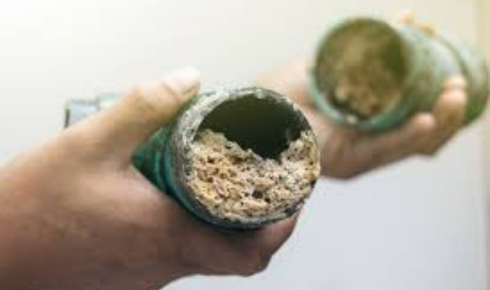
Pipes narrow, heating elements struggle, and surfaces lose their smooth finish. It’s not dramatic, but it’s persistent. And persistence, in this case, is what makes it problematic.
When everyday surfaces tell the story
You don’t need a lab test to spot the signs. Your home usually gives you enough clues if you’re paying attention.
That white, chalky residue around your faucets? The spots on your glassware that don’t wipe away easily? Those are mineral deposits settling in. They cling to surfaces and slowly change the way things look and feel.
It’s more than just an aesthetic issue. Over time, these deposits can make cleaning harder, dull the finish of fixtures, and even affect how efficiently your appliances operate.
It’s like a slow film building up over everything—subtle, but undeniable.
The hidden cost of ignoring it
What’s interesting is that many homeowners get used to these changes. They adapt. Spend a little more time cleaning, replace appliances a bit sooner, maybe buy stronger cleaning products.
But all of that adds up.
When minerals accumulate inside pipes or heating systems, they reduce efficiency. Your water heater, for instance, has to work harder to heat water through a layer of buildup. That means more energy, more wear, and eventually, more repairs.
Then there’s the impact on daily comfort. Soap doesn’t lather the way it should. Shampoo leaves your hair feeling slightly off. Towels lose their softness faster than expected.
None of these issues are urgent on their own, but together, they create a steady stream of minor frustrations.
Why scale becomes a bigger deal over time
At some point, those small annoyances turn into something more noticeable. A clogged showerhead, reduced water pressure, or even unexpected plumbing issues.
That’s when scale buildup becomes hard to ignore. It’s essentially the result of those minerals settling and hardening over time, forming a stubborn layer that doesn’t rinse away easily.
Scale isn’t just cosmetic—it’s structural. It can affect how water flows through your system, how heat is transferred, and how long your appliances last. And once it’s there, removing it isn’t always simple.
Finding a balance, not chasing perfection
So what’s the solution? Well, it’s not about eliminating minerals entirely or chasing some idea of “perfect” water. It’s about balance.
Many homeowners look into water softening solutions or filtration systems to reduce mineral content and prevent buildup before it starts. These systems don’t just fix visible problems—they help maintain the overall health of your home’s water system.
But even without major changes, awareness goes a long way. Regular cleaning, occasional descaling, and paying attention to early signs can help you stay ahead of bigger issues.
A quieter kind of improvement
What surprises people most is how subtle the improvements feel once they address the problem. It’s not a dramatic transformation—it’s more like things returning to how they should have been all along.
Water flows more freely. Surfaces stay cleaner for longer. Showers feel smoother, and appliances run with less strain.
It’s the kind of change you don’t think about every day, but you definitely notice when it’s missing.
A final thought worth considering
Hard water isn’t something you can see clearly at a glance, but its effects are everywhere once you know what to look for. It’s in the wear on your fixtures, the feel of your laundry, the efficiency of your home.
And while it might seem like a minor issue at first, addressing it can make everyday life just a little easier—and a lot more comfortable.
Because sometimes, the biggest improvements come from fixing the things we barely notice… until they’re gone.