
The Quiet Upgrade Your Home Might Be Missing
April 27, 2026
There’s a certain kind of comfort you don’t notice until it’s there. Like when your morning shower feels softer, your tea tastes cleaner, and your kitchen sink doesn’t leave behind those stubborn white marks anymore. It’s subtle, almost easy to overlook—but once you experience it, you realize something has changed.
For many people, that change begins with paying closer attention to their water.
When “Normal” Water Starts Feeling Off
At first, nothing seems wrong. The tap runs, the water looks clear, everything works as expected. But then little things creep in. A strange aftertaste. Dry skin that no lotion seems to fix. Appliances that wear out faster than they should.
These aren’t dramatic problems. They’re the quiet kind—the ones that slowly chip away at your daily comfort. And often, they trace back to something we rarely question: the quality of water flowing through our homes.
That’s where understanding water systems becomes more relevant than it sounds. Not in a technical, overwhelming way, but as a simple idea—how water moves through your home, and what it carries with it along the way.
The Hidden Impact of Hard Water
If you’ve ever noticed chalky residue on your taps or struggled to get soap to lather properly, you’ve likely dealt with hard water. It’s incredibly common, especially in many regions, and while it’s not dangerous, it’s definitely inconvenient.
Hard water contains high levels of minerals like calcium and magnesium. Over time, these minerals build up on surfaces, inside pipes, and even within your appliances. The result? Reduced efficiency, more maintenance, and a constant battle with scale.
This is where water softeners quietly do their job. They’re not flashy, and you don’t interact with them directly, but they make a noticeable difference. Soap works the way it should. Clothes feel softer. Your water heater doesn’t have to work overtime.
It’s one of those upgrades that pays off not just in comfort, but in the long run, too.
Taste, Smell, and the Way Water Feels
Let’s talk about something more immediate—the way water tastes and smells. Because even if everything else seems fine, this is often what pushes people to look for a solution.
Chlorine is commonly used to disinfect water, which is important for safety. But it can leave behind a taste that’s hard to ignore. Some people describe it as chemical-like, others say it reminds them of a swimming pool.
And then there are other factors—sediment, trace contaminants, even old pipes—that can subtly affect how water looks and feels.
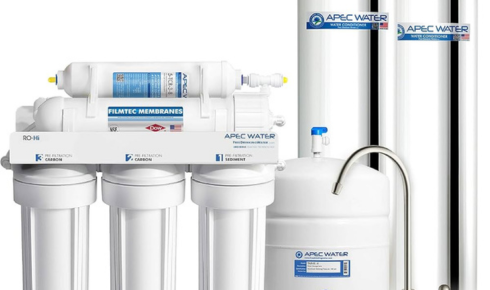
That’s where filtration systems come into the picture. Designed to remove unwanted particles and improve overall quality, they help restore that clean, neutral taste we often expect but don’t always get.
The difference might seem small at first, but it adds up. You drink more water. Your coffee tastes better. Even cooking feels a bit more enjoyable.
It’s Not Just About Drinking
One thing people often overlook is how much water affects beyond just what you consume. It touches almost every part of your daily routine.
Showers, laundry, dishwashing—each of these experiences changes depending on water quality. Hard water can leave clothes feeling rough. Unfiltered water might cause buildup in your dishwasher. Even your skin reacts to what’s in your water.
When you improve it, the changes ripple through your entire home. Not dramatically, but consistently. And that consistency brings a kind of ease you didn’t realize you were missing.
Finding What Works for You
There’s no universal solution when it comes to water. What works perfectly for one home might not be necessary for another. It depends on your local supply, your plumbing, and your personal preferences.
Some people start small—with a basic filter for drinking water. Others invest in whole-home solutions that address multiple issues at once. The key is to understand your needs first, then choose accordingly.
You don’t have to rush into it. Take your time. Pay attention to what bothers you most about your current setup. That’s usually where the answer begins.
A Subtle Shift That Changes Everything
Improving your water isn’t about making a big, dramatic change. It’s about refining something that’s already part of your life.
When your water works the way it should, everything else feels just a bit easier. Your routines flow better. Your home feels more comfortable. And those small frustrations—the ones you barely noticed—start to fade away.
A Final Thought
Water is one of those essentials we rarely think about until something feels off. But when you take a moment to understand it—and maybe improve it—you realize how much it shapes your everyday life.
It doesn’t have to be complicated. It just has to make sense for you.
And once it does, you’ll wonder why you didn’t look into it sooner.