
The Water You Live With: Why Small Upgrades at Home Make a Bigger Difference Than You Expect
April 25, 2026
There’s something oddly invisible about water in a home. You use it constantly—cooking, cleaning, showering—yet rarely stop to think about it. It’s just there, doing its job quietly in the background.
Until one day, it doesn’t feel quite right.
Maybe your dishes look cloudy even after washing. Or your skin feels drier than usual. Sometimes it’s the taste—nothing dramatic, just slightly off. These small shifts are easy to ignore at first, but they have a way of sticking in your mind.
And that’s usually where people start asking questions.
When “Normal” Doesn’t Feel Quite Right
Water doesn’t need to be unsafe to be inconvenient. In fact, most of the issues homeowners notice have more to do with comfort than safety.
Hard water, mineral buildup, faint odors—these aren’t emergencies. But they change how water behaves. Soap doesn’t lather the same, appliances wear down faster, and everyday tasks feel just a bit more effortful.
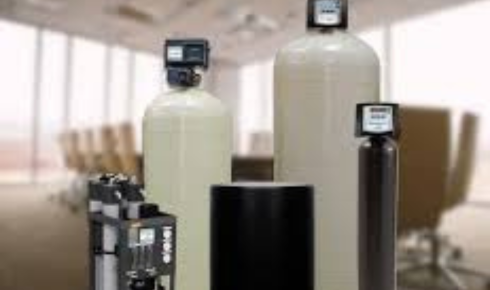
That’s where water treatment systems begin to make sense. Not as a reaction to a crisis, but as a way to improve something that’s already part of your daily life. They refine the water you’re using, removing unwanted elements and bringing things back into balance.
It’s a quiet kind of upgrade—one you notice more over time than all at once.
The Subtle Problem With Hard Water
Hard water has a way of blending into the background. You don’t always recognize it immediately.
But then you start seeing signs.
White residue on faucets.
Glassware that never quite looks clean.
Soap that seems to disappear without doing much.
These are the kinds of things that lead people to explore water softeners. By reducing minerals like calcium and magnesium, softeners change how water interacts with everything it touches.
The difference isn’t flashy. It’s practical. Showers feel smoother. Laundry comes out softer. Cleaning becomes a little less frustrating.
And once you get used to it, it’s hard to go back.
When Iron Makes Itself Known
Iron in water is less subtle. It tends to show up in ways you can’t ignore.
Reddish stains in sinks or tubs.
A metallic taste in drinking water.
Clothing that looks discolored after washing.
This is where iron filter systems come into play. They target specific contaminants, removing excess iron before it causes visible problems.
The impact is immediate—cleaner surfaces, better-tasting water, fewer maintenance issues. It’s one of those changes that feels small until you realize how much it improves your day-to-day routine.
Not Every Home Needs Everything
One of the biggest misconceptions about water improvement is that you need a full, complex system to see results.
In reality, it’s more about fit than scale.
Some homes benefit from a simple softener. Others need targeted filtration. Some combine both. The key is understanding what your water actually needs before making decisions.
That’s where testing comes in. Knowing what’s in your water helps you avoid unnecessary upgrades and focus on what will make a real difference.
Because more equipment doesn’t always mean better results.
The Shift Happens Slowly
What’s interesting about improving water quality is how gradual the change feels.
You don’t wake up one day and think, “Everything is different.” Instead, you start noticing small improvements.
Water tastes cleaner.
Appliances run more efficiently.
Cleaning takes less effort.
These changes don’t demand attention, but they add up. Over time, they reshape how you experience your home.
And once you adjust to that new normal, it becomes hard to imagine going back.
Maintenance That Fits Into Life
The idea of maintaining water systems can sound intimidating, but it’s usually straightforward.
Replacing filters when needed.
Checking salt levels in softeners.
Keeping an eye on system performance.
These tasks don’t take much time, and they quickly become part of your routine. You’re not constantly managing the system—you’re just keeping it running smoothly.
And that consistency is what makes everything work.
Why It’s Worth Paying Attention
Water is one of those things that fades into the background when everything is working well. You don’t think about it—you just use it.
But when you start paying attention, even a little, you realize how much it affects your daily life.
It’s in the way your home feels, the way your appliances perform, the way simple tasks unfold.
Improving water quality isn’t about chasing perfection. It’s about making those everyday moments a little easier, a little more comfortable.
Final Thoughts
You don’t need to overhaul your home to see the benefits of better water. Small, thoughtful changes can go a long way.
Start with awareness. Understand what you’re working with. Choose solutions that fit your needs, not just what seems impressive.
Because in the end, the goal isn’t to think about your water more.
It’s to think about it less—because it’s doing exactly what it should.