
Why Your Tap Water Tastes Different (And How to Fix It Without Overthinking)
March 28, 2026
There’s a moment most of us have had—standing at the sink, filling a glass, taking a sip… and pausing. Not because the water is bad, exactly. Just because it doesn’t taste quite right.
It’s faint. Maybe a bit chemical. Maybe just “off” in a way you can’t explain.
And then you shrug it off, because hey—it’s water. It should be fine.
But that small hesitation? It usually means something’s going on beneath the surface.
The Thing About “Safe” Water
Municipal water is treated to be safe. That’s important, and it works. Harmful bacteria and pathogens are largely taken care of before water reaches your home.
But safety and enjoyment are two different things.
During treatment, chemicals like chlorine are added to disinfect the water. They do their job well—but they don’t always leave quietly. Sometimes, they linger just enough to affect taste and smell.
It’s not dangerous. But it’s not exactly pleasant either.
And over time, that subtle difference can change how you feel about something as basic as drinking water.
Why Taste Matters More Than You Think
It’s easy to dismiss taste as a minor issue. After all, water is water, right?
But here’s the thing—when water tastes better, you tend to drink more of it. It’s that simple.
Better hydration, fewer sugary drinks, less reliance on bottled water. It’s a small shift with surprisingly wide effects.
And honestly, there’s something satisfying about enjoying a glass of water without hesitation. No second guessing. No weird aftertaste.
Just… water, the way it should be.
A Simple Fix That Actually Works
If you’ve started looking into solutions, you’ve probably come across activated carbon water filtration. It sounds technical, maybe even a bit overhyped—but it’s actually one of the simplest and most effective ways to improve everyday water.
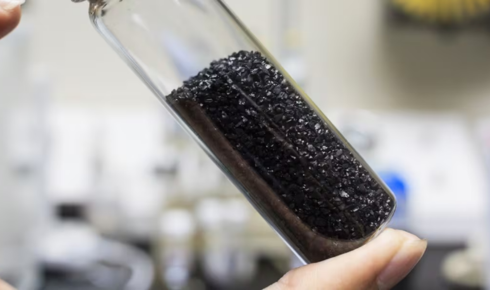
Activated carbon works through adsorption, which means it traps contaminants on its surface rather than just filtering them out mechanically. It’s particularly good at handling chlorine, organic compounds, and other elements that affect taste and odor.
You’ll find it in everything from basic filter jugs to more advanced under-sink systems.
And the best part? It doesn’t try to do too much. It focuses on the stuff that matters most for daily use.
Getting Rid of That Chemical Edge
One of the biggest reasons people turn to filtration is to remove chlorine. Not because chlorine is inherently bad—it’s actually essential for keeping water safe—but because of how it impacts the experience.
That slightly sharp smell when you turn on the tap? That’s chlorine.
The faint bitterness in your tea or coffee? Again, chlorine playing a role.
Once it’s reduced or removed, the difference is immediate. Water feels softer, somehow. Less aggressive. It’s easier to drink, easier to use in cooking, even easier on your senses.
It’s one of those changes you notice right away—and then quickly get used to.
The Subtle Upgrade You Didn’t Expect
Here’s where it gets interesting.
When you improve your water, you’re not just changing how it tastes. You’re changing how it fits into your routine.
Filtered water tends to improve taste in ways that go beyond drinking. Coffee becomes smoother. Tea feels more balanced. Even something simple like rinsing fruits or vegetables feels a bit more reassuring.
It’s not dramatic. No one’s going to walk into your kitchen and comment on it.
But you’ll notice. And once you do, it becomes part of your everyday standard.
Choosing What Actually Makes Sense
The world of water filtration can get overwhelming fast. There are dozens of systems, each claiming to be the best.
But for most households, the goal isn’t perfection. It’s improvement.
Start with what bothers you most. If it’s taste and smell, carbon filtration is usually enough. If there are other concerns—like heavy metals or high mineral content—you might explore additional options.
But don’t overcomplicate it.
Sometimes, the simplest solution really is the right one.
Maintenance (Yes, It Matters)
No one loves maintenance, but it’s part of the deal.
Carbon filters don’t last forever. Over time, they fill up and lose effectiveness. That means replacing them periodically—how often depends on usage and system type.
The good news is, it’s usually straightforward. Swap out a cartridge, reset a reminder, move on with your day.
It’s a small effort for a consistent payoff.
A Small Change That Sticks
What’s surprising is how quickly better water becomes your new normal.
You stop thinking about it. You stop noticing the absence of that chemical taste. You just drink, cook, and go about your day without that tiny moment of hesitation.
And if you ever go back to unfiltered water? You’ll notice immediately.
That’s usually the point where people realize just how much of a difference it made.
Final Thoughts, Without the Sales Pitch
Improving your water doesn’t have to be complicated. It doesn’t require a complete overhaul or a deep dive into technical specs.
Sometimes, it’s as simple as paying attention to what you’re already experiencing—and deciding you want something better.
Because at the end of the day, water is one of the few things we consume every single day without fail.
It makes sense to get it right.