
When It’s Time for a New Roof: Real Thoughts on Replacement, Process, and Getting It Right
March 26, 2026
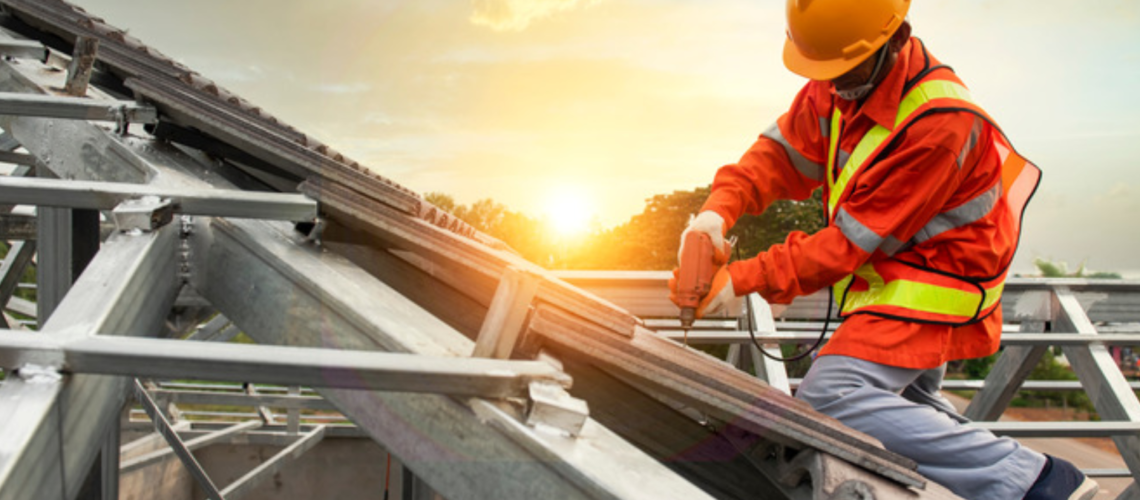
There’s a point—usually after a few too many small fixes—when you start wondering if your roof is trying to tell you something. Not loudly, not dramatically. Just… consistently.
A loose shingle here. A leak that keeps coming back. Maybe a patch job that didn’t quite hold through the last heavy rain.
And slowly, almost reluctantly, the idea of replacing the whole thing starts to feel less extreme—and more… necessary.
It’s not an easy shift in mindset. Replacing a roof isn’t just another home project. It’s bigger than that. It feels permanent. A little intimidating, even.
But once you start understanding the process, it becomes less about fear—and more about clarity.
The Moment You Realize Repairs Aren’t Enough
We all try to stretch things as far as we can. It’s human nature. If something can be fixed, why replace it?
But roofs have a way of reaching a tipping point. Repairs that once worked stop lasting. Issues start repeating. Costs begin to stack up in a way that doesn’t quite make sense anymore.
That’s often when homeowners begin exploring roof replacement solutions—not because they want to, but because it finally feels like the smarter long-term move.
And interestingly, it’s not always about visible damage. Sometimes, the roof just… ages. Materials weaken. Layers wear out. The protection it once provided starts to fade, even if it still looks okay from the outside.
That’s the tricky part. What you see isn’t always the full story.
What Actually Happens During a Replacement
If you’ve never gone through a roof replacement before, it’s easy to imagine it as a chaotic, noisy process. And yes, there’s some truth to that—it’s not exactly quiet work.
But there’s also a structure to it. A rhythm.
One of the most important steps is what professionals call a tear-off and install process. It sounds simple, but it’s more involved than most people expect.
First, the old materials are completely removed. Not just the surface layer, but everything down to the base. This part matters more than people realize. It gives contractors a chance to inspect the underlying structure—check for damage, moisture, or weak spots that might have been hidden.
Then comes the installation. New layers, carefully placed. Underlayment, sealing, ventilation—all working together to create a system, not just a surface.
It’s not glamorous work, but it’s precise. And when done right, it sets the foundation for everything that follows.
Choosing What Comes Next Isn’t Always Easy
Once the old roof is gone, you’re faced with a different kind of decision—what replaces it?
There’s no shortage of options. Different materials, styles, durability levels. And each one comes with its own set of advantages.
Some homeowners prioritize cost. Others focus on longevity. Some care about aesthetics, wanting their home to look a certain way from the street.
And then there are those who just want something that works—reliably, quietly, without needing constant attention.
That’s where new roof systems come into play. These aren’t just about materials—they’re about how everything fits together. How the layers interact. How the roof handles weather, temperature changes, and time itself.
A well-designed system doesn’t just protect your home—it adapts to it.
The Emotional Side of Letting Go
There’s something surprisingly emotional about replacing a roof.
Maybe it’s because it’s been there for so long. Through seasons, storms, everyday life. It’s part of the house’s story, even if you’ve never thought about it that way.
And then, suddenly, it’s gone.
I remember watching an old roof being removed once—tiles coming off one by one, exposing layers that hadn’t seen daylight in decades. It felt strange. Almost like peeling back history.
But there’s also something refreshing about it. A clean start. A chance to do things right.
Why the Right Team Makes All the Difference
No matter how good the materials are, or how advanced the system is, the people doing the work matter just as much.
Maybe more.
Roof replacement isn’t just about following steps. It’s about attention to detail. Understanding how everything connects. Knowing where small mistakes can turn into big problems later.
Good contractors don’t rush. They take their time where it counts. They double-check things. They communicate clearly, even when explaining something technical.
And perhaps most importantly, they respect the fact that they’re working on someone’s home—not just a project.
What Happens After It’s Done
Once the work is complete, there’s a moment of quiet.
The noise is gone. The tools are packed away. And you’re left with something that looks, at first glance, like just… a roof.
But it’s more than that.
It’s a reset. A layer of protection you don’t have to think about every time the weather changes. A sense of security that’s hard to quantify, but easy to feel.
And over time, you start to notice the difference. Not in dramatic ways, but in small ones. Fewer worries. Less maintenance. A bit more peace of mind.
Final Thoughts — It’s About More Than Just the Roof
Replacing a roof isn’t just a construction project. It’s a decision—one that balances practicality, timing, and a bit of intuition.
There’s no perfect moment to do it. No ideal set of conditions. Just a point where it feels like the right thing to do.
So if you find yourself there, weighing options, asking questions, trying to make sense of it all—take your time.
Learn what you can. Work with people you trust. And remember that while the process might feel overwhelming at first, the outcome is something you’ll live with, and rely on, for years to come.
Because at the end of the day, a good roof doesn’t just sit above your head.
It quietly supports everything beneath it.