
The Water You Live With Every Day (And Why It Deserves a Second Look)
March 24, 2026
Most of us don’t think twice about the water running through our homes. It’s just there—reliable, familiar, almost invisible in its importance. You turn on the tap, fill a glass, rinse your hands, move on with your day. Simple.
But every now and then, something feels a little off. Maybe your skin feels dry after a shower. Or your tea tastes slightly different than usual. It’s subtle, easy to ignore. Still, those little signals tend to linger in the back of your mind.
And once you start noticing them, it’s hard to unsee what your water might actually be telling you.
What’s Really Flowing Through Your Pipes?
Water isn’t just H₂O by the time it reaches your home. It carries traces of minerals, sometimes chemicals, occasionally even microorganisms—depending on where you live and how your supply is treated.
That doesn’t necessarily mean it’s unsafe. But it does mean it’s not always ideal.
Hard water, for instance, is one of the most common issues homeowners face. It’s packed with minerals like calcium and magnesium, which can leave behind scale on fixtures, make soaps less effective, and slowly build up inside appliances.
You might not notice it right away, but over time, it shows up—in your laundry, your dishes, even your plumbing.
When Comfort Starts With Softer Water
For many households, addressing hardness is the first real step toward improving water quality. That’s where water softeners come into the picture.
These systems are designed to reduce mineral content, helping water behave more like… well, water should. Soap lathers better, surfaces stay cleaner, and that stubborn residue you’ve been scrubbing away suddenly becomes less of a problem.
There’s also a comfort factor that’s hard to ignore. Softer water tends to feel gentler on your skin and hair. It’s not a dramatic transformation, but it’s noticeable enough that once you experience it, you don’t really want to go back.
And from a practical standpoint, it can extend the life of appliances that rely on water. Less buildup means less strain. Simple, but effective.
Rethinking the Water You Drink
Of course, comfort is one thing. But when it comes to the water you drink, expectations shift a bit.
Taste becomes more important. So does clarity. And even if your tap water meets safety standards, you might still want that extra layer of confidence.
That’s where drinking water systems start to make sense. These setups—whether under-sink filters or countertop units—focus specifically on improving the quality of water you consume.
They can reduce chlorine taste, remove certain impurities, and create water that feels… cleaner, for lack of a better word.
And it’s not just about drinking. Cooking with better-quality water can subtly improve flavors too. Coffee, tea, even simple dishes—they all benefit in ways you might not expect.
It’s one of those upgrades that quietly enhances daily routines without demanding attention.
When Clean Isn’t Enough—It Needs to Be Protected
For some homeowners, especially those relying on well water or living in areas with inconsistent supply quality, there’s another layer to consider—biological contaminants.
They’re not something you can see or taste, which makes them easy to overlook. But they matter.
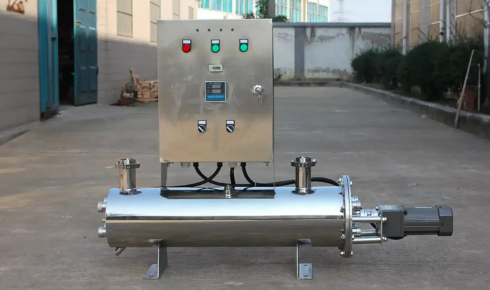
That’s where UV disinfection filtration systems come into play. Using ultraviolet light, these systems target microorganisms like bacteria and viruses, neutralizing them without adding chemicals to your water.
It’s a different kind of protection. Less about improving taste or texture, more about ensuring safety at a microscopic level.
And for families who want that added reassurance, it can make a big difference in how they feel about their water.
Finding the Balance That Works for You
Here’s the thing—there’s no perfect setup that works for every home. Some people prioritize comfort, others focus on drinking water quality, and some want comprehensive protection across the board.
The key is understanding your needs.
If hard water is your biggest concern, softening might be enough. If taste and clarity matter more, a dedicated drinking system could be the better choice. And if safety is top of mind, adding UV protection might be worth considering.
Often, the best approach is a combination—layering solutions in a way that feels practical, not excessive.
It doesn’t have to be complicated. It just has to make sense for your lifestyle.
The Changes You Notice… and the Ones You Don’t
What’s interesting about improving water quality is how the benefits show up in both obvious and subtle ways.
You notice the obvious ones first—better-tasting water, softer laundry, cleaner fixtures. But over time, it’s the less visible changes that really stand out.
Appliances run more efficiently. Plumbing systems experience less wear and tear. You might even find yourself spending less time cleaning or maintaining things around the house.
And then there’s the overall feeling. A kind of quiet confidence in knowing your water is working for you, not against you.
A Simple Shift That Feels Bigger Over Time
At the end of the day, improving your home’s water isn’t about chasing perfection. It’s about making small, thoughtful adjustments that enhance your daily life.
It’s easy to overlook something as ordinary as water. But when you take a closer look—when you start to understand what’s in it and how it affects your home—you realize it’s anything but ordinary.
And maybe that’s the takeaway.
Not that you need the most advanced system or the most expensive setup. Just that paying attention to your water—really paying attention—can lead to changes that feel surprisingly meaningful.
Because when something you use every single day gets better, even in small ways, it has a way of improving everything around it.