
The Subtle Upgrade Your Home Needs: Understanding Better Water at Its Core
March 28, 2026
There’s something oddly easy to ignore about water. It’s always there, always flowing, always doing its job—or at least we assume it is. You don’t really question it until little annoyances start creeping in. Soap that won’t lather. Glassware that looks cloudy no matter how carefully you wash it. A kettle that seems to age faster than it should.
At first, you brush it off. But over time, these things begin to feel connected. And they usually are.
When Water Isn’t Quite Working With You
Hard water is one of those quiet culprits that doesn’t shout for attention but slowly makes life more difficult. It’s loaded with minerals—mostly calcium and magnesium—that leave behind residue wherever water flows.
You’ll notice it in your bathroom first. Streaks on the shower glass. A rough feeling on your skin after bathing. Then it spreads into other areas—laundry that feels stiff, dishes that never look fully clean.
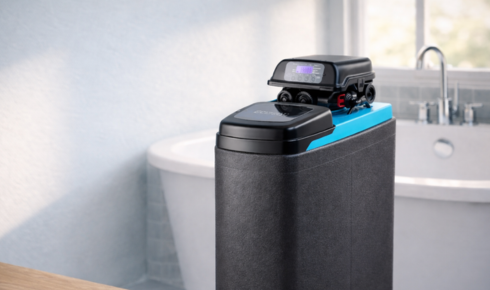
This is where water softener systems begin to make sense, not as a luxury, but as a practical fix for a problem most households don’t even realize they have. These systems work by removing excess minerals, giving you water that behaves the way it’s supposed to.
And once you experience that difference, it’s hard to ignore how things used to be.
The Everyday Impact You Didn’t Expect
It’s interesting—improving your water doesn’t feel like a dramatic change at first. There’s no big reveal, no instant transformation. Instead, it shows up in small, almost unnoticeable ways.
Your shampoo starts to lather properly again. Towels feel softer. Even your skin seems less dry, less irritated.
The real shift happens gradually. You start to realize that everyday tasks—washing, cleaning, cooking—are just a little easier. Less effort, better results.
That’s often the goal, really. Not perfection, just improvement. A smoother experience across the board.
Why Hardness Matters More Than You Think
Water hardness isn’t just about comfort—it’s also about efficiency. Those minerals don’t just sit on surfaces; they build up inside pipes and appliances too.
Over time, this buildup can restrict water flow, reduce heating efficiency, and shorten the lifespan of your equipment. It’s like a slow, invisible wear and tear happening behind the scenes.
Efforts to reduce hardness aren’t just about making water feel better—they’re about preventing long-term issues that can quietly become expensive.
And that’s the thing with home maintenance. The problems you don’t see are often the ones that cost the most later on.
A Better Relationship With Your Home
When your water improves, your relationship with your home changes in subtle ways.
You stop scrubbing as hard because surfaces don’t collect residue as quickly. You use less detergent because it works more effectively. Your appliances run a bit smoother, a bit quieter.
These aren’t life-altering differences, but they add up. Over weeks and months, you start to notice how much easier things feel.
It’s almost like your home is working with you instead of against you.
Protecting What You’ve Already Invested In
Think about everything in your home that depends on water—your washing machine, dishwasher, water heater, even your plumbing system. These aren’t small investments.
Hard water doesn’t destroy them overnight. Instead, it slowly reduces their efficiency, forcing them to work harder than they should.
That’s why people often turn to solutions that help protect appliances before problems become obvious. By reducing mineral buildup, you’re not just improving performance—you’re extending the life of things you already rely on.
It’s a preventative approach, one that saves both time and money in the long run.
Finding the Right Balance
Not every home needs the same setup, and that’s an important point to remember. Water quality varies depending on location, source, and infrastructure.
Some households deal with extremely hard water, while others face milder issues. The key isn’t to overcomplicate things—it’s to understand what your water needs and respond accordingly.
Sometimes, a simple adjustment makes all the difference. Other times, a more comprehensive system is worth considering.
Either way, the goal remains the same: better water, better living.
Why We Wait So Long to Fix It
There’s a certain hesitation people have when it comes to water improvements. Maybe it’s because the issues don’t feel urgent. Or because the benefits aren’t immediately obvious.
We tend to prioritize visible upgrades—new furniture, fresh paint, modern fixtures—while overlooking something that quietly affects everything.
But once you address water quality, the shift becomes clear. Not in a dramatic, overnight way, but in a steady, reliable improvement that touches nearly every part of your daily routine.
A Quiet but Meaningful Change
At the end of the day, better water isn’t about luxury or excess. It’s about making your home function the way it should have all along.
It’s about comfort that doesn’t need to be explained. Efficiency that doesn’t need constant attention. And a sense that the small details—the ones we often overlook—are finally working in your favor.
If you’ve been noticing those little signs, it might be worth paying attention to them. Because sometimes, the smallest adjustments create the most meaningful improvements.
And water, as simple as it seems, has a way of influencing far more than we give it credit for.