
The Day I Noticed My Water Was Working Against Me
March 26, 2026
It wasn’t some dramatic moment. No pipes bursting, no strange colors flowing out of the tap. Just a regular morning — making tea, rinsing a cup, noticing that cloudy film again. The kind you scrub off, only to see it return the next day like it owns the place.
That’s the thing about water problems. They don’t announce themselves. They just quietly interfere with your routine until you finally stop and think, “Why is this happening?”
The Signs We Learn to Ignore (Until We Don’t)
Hard water doesn’t shout. It whispers.
You see it in your bathroom first — chalky streaks on glass, faucets that never quite shine no matter how much you clean them. Then it creeps into other corners of your home. Your laundry feels rougher. Your soap doesn’t lather properly. Your skin? A bit drier than usual, maybe more than you’d like to admit.
For a while, you blame everything else. Cheap detergent, bad weather, maybe even stress. But eventually, it becomes clear that the issue runs deeper.
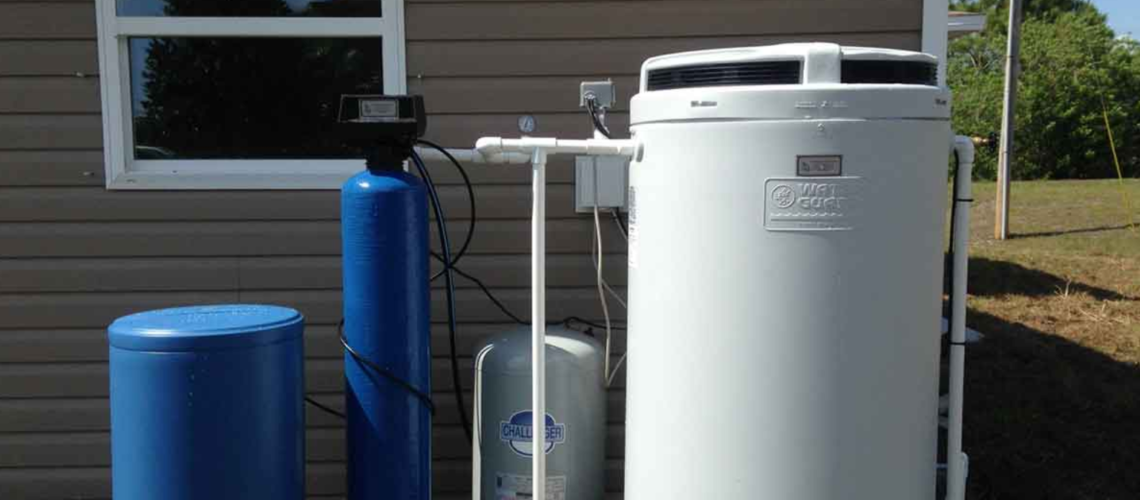
That’s when people start thinking about water softener installation, not as an upgrade, but as a way to finally fix something that’s been quietly frustrating for months — sometimes years.
What Hard Water Really Does Behind the Scenes
Here’s where it gets a bit more interesting.
Hard water is full of minerals like calcium and magnesium. Not harmful in small amounts, but incredibly persistent. These minerals don’t just pass through your system — they settle, cling, and build up over time.
Inside your pipes. Your water heater. Your washing machine. Even inside your kettle.
And slowly, without making a big fuss, they start affecting performance.
Water pressure drops. Heating efficiency declines. Appliances work harder than they should. It’s like your home is running a marathon with extra weight strapped to it — not impossible, but definitely not ideal.
A Small Shift That Makes a Big Difference
When people finally address hard water, the changes aren’t always immediate or dramatic. But they’re noticeable.
Soap starts to lather the way it’s supposed to. Showers feel smoother, almost softer. Dishes come out cleaner, without that stubborn residue.
And perhaps most importantly, you begin to reduce hard mineral buildup that’s been quietly damaging your home all along.
It’s not about perfection. It’s about removing that constant friction you didn’t realize you were dealing with every single day.
The Appliance Angle No One Talks About Enough
We tend to focus on what we can see — stains, spots, dryness. But what about what’s happening inside your appliances?
Your water heater, for instance, is particularly vulnerable. Mineral deposits can settle at the bottom, creating a barrier that forces the system to work harder to heat water. Over time, this doesn’t just increase energy usage — it shortens the lifespan of the unit itself.
The same goes for washing machines, dishwashers, even coffee makers.
That’s where the idea of appliance protection becomes more than just a technical benefit. It’s about avoiding unexpected repairs, replacements, and those frustrating moments when something stops working before it should.
It’s Not Just About Fixing Problems — It’s About Changing How Your Home Feels
This might sound a bit abstract, but stick with me.
When your water improves, your home feels different. Not in a flashy, obvious way — more like a subtle shift. Things work better. Cleaning feels easier. Your routines become smoother.
You’re not constantly scrubbing, adjusting, compensating.
And that matters more than we often realize.
Because a home isn’t just about how it looks. It’s about how it functions — and how it makes you feel on an everyday basis.
Finding the Right Approach (Without Overcomplicating It)
If you’re considering doing something about your water, it’s easy to get overwhelmed.
Different systems, different claims, different price points. It can feel like you need to become an expert overnight just to make a decision.
But honestly? You don’t.
Start simple. Understand your water. Identify the main issue — whether it’s hardness, taste, or something else. From there, it becomes easier to choose a solution that actually fits your needs.
Not the most expensive option. Not the most complicated one. Just the right one.
Why We Wait Longer Than We Should
Here’s a pattern I’ve noticed — people tend to delay dealing with water issues.
Maybe it doesn’t feel urgent enough. Maybe it’s just another thing on the to-do list. Or maybe it’s because the problems seem manageable… until they’re not.
But the longer you wait, the more those small issues build up. More residue, more wear and tear, more frustration.
And when you finally do address it, there’s often that moment of realization — “I should’ve done this sooner.”
A Quiet Upgrade That Stays With You
At the end of the day, improving your water isn’t about making a statement. It’s not something you show off or talk about at dinner parties.
But it’s something you experience — every single day.
Better showers. Cleaner dishes. Appliances that last longer. A home that feels just a little easier to live in.
It’s a quiet kind of upgrade. The kind that doesn’t demand attention, but earns appreciation over time.
And maybe that’s the best kind there is.