
Nobody particularly enjoys dealing with garbage, but it’s one of those everyday responsibilities that keeps homes, businesses, and neighborhoods functioning properly. When collection schedules become unreliable or waste starts accumulating faster than expected, the consequences are difficult to ignore.
A homeowner renovating an outdated kitchen faces different disposal challenges from a restaurant managing daily food waste. Meanwhile, municipalities need dependable collection arrangements that serve entire communities.
Reliable residential & commercial waste solutions help address these varying requirements through organized collection, suitable disposal equipment, and responsible waste management practices.
The real value of a dependable waste service goes beyond simply removing unwanted materials. It contributes to cleaner surroundings, smoother business operations, and a more pleasant environment for everyone sharing the community.
Understanding Different Waste Management Needs
Every property generates waste, but the type and volume can vary considerably.
Residential households typically produce food scraps, packaging materials, discarded household items, and occasional yard debris. Most of this waste can be managed through scheduled collection and appropriate recycling arrangements.
Commercial properties present different challenges. Restaurants may generate substantial amounts of organic waste, while retail stores frequently deal with cardboard packaging and shipping materials.
Construction activities introduce another layer of complexity, particularly when large quantities of debris need removing within a limited timeframe.
Understanding these differences helps property owners select appropriate collection schedules and container sizes.
There’s little point in paying for an oversized container that remains half-empty. Equally, an undersized container can create overflowing garbage, unpleasant odors, and unnecessary collection expenses.
Finding the right balance makes waste management considerably more practical.
Supporting Cleaner and Better-Organized Municipalities
Waste collection becomes significantly more complicated when an entire town or city depends on it. Different neighborhoods, commercial districts, public spaces, and community facilities all require reliable attention.
Waste management providers with municipal-ready service capabilities can support larger collection requirements through suitable equipment, coordinated scheduling, trained personnel, and organized operational planning.
Municipal services may include residential garbage collection, bulk waste removal, public container servicing, and community cleanup projects.
Consistency is particularly important. Missed collections can lead to overflowing bins, neighborhood complaints, and sanitation concerns.
Growing communities also need waste collection arrangements that can adapt as new housing developments and commercial properties are established.
Effective municipal waste management depends on clear communication, reliable transportation, responsible disposal practices, and the ability to respond appropriately when service demands change.
Making Large Cleanup Projects More Manageable
Anyone who has renovated a home knows how quickly unwanted materials can accumulate. Removing old cabinets, flooring, drywall, and damaged furniture often produces far more debris than originally anticipated.
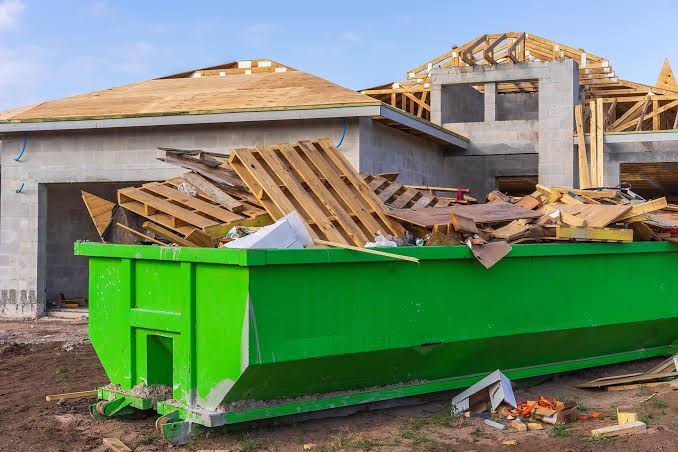
Professional roll-off dumpster services provide a convenient solution for projects that generate substantial amounts of waste within a relatively short period.
These large containers are commonly used during construction projects, property renovations, estate cleanouts, landscaping work, and commercial property improvements.
Having a designated container onsite helps keep debris organized and reduces the need for repeated trips to disposal facilities.
Before arranging delivery, consider the type of waste being generated, expected volume, weight restrictions, and available placement space.
Certain materials may require separate disposal arrangements, so discuss accepted and prohibited items with the provider beforehand.
A little preparation can prevent unexpected charges and inconvenient collection delays.
Why Reliable Waste Collection Matters for Businesses
A cluttered commercial property can create an unfavorable impression, particularly when customers notice overflowing dumpsters or unpleasant odors near entrances.
For employees, poorly managed waste may also contribute to unnecessary workplace difficulties.
Imagine a busy restaurant where staff members struggle to find space for additional garbage bags during the evening rush. It’s a distraction that nobody needs.
Appropriate collection schedules help businesses maintain cleaner working environments without interrupting normal activities.
Seasonal changes deserve consideration, too. A retail business might generate significantly more packaging waste during holiday shopping periods than during quieter months.
Flexible collection arrangements allow businesses to respond to these fluctuations without permanently paying for unnecessary capacity.
Making Responsible Disposal Part of Everyday Life
Waste management isn’t exclusively about collecting and transporting garbage. What happens to those materials afterward matters just as much.
Separating accepted recyclable materials from general household waste can help reduce unnecessary disposal and support resource recovery.
Cardboard, certain plastics, metals, and glass may be recyclable depending on local collection programs.
Hazardous household materials, batteries, chemicals, and electronic equipment often require specialized disposal arrangements.
Rather than assuming everything belongs in the same container, take time to understand what your collection provider accepts.
Businesses can also review purchasing habits and packaging practices to identify opportunities for reducing waste before it’s created.
Sometimes, the most effective waste management strategy begins long before anything reaches the dumpster.
Choosing a Waste Management Provider You Can Depend On
Selecting a waste service involves more than comparing monthly prices.
Consider collection reliability, available container sizes, customer support, accepted materials, and additional charges.
For temporary dumpster rentals, ask about included rental periods, weight allowances, delivery arrangements, and collection procedures.
Clear pricing helps prevent unpleasant surprises, while responsive communication becomes particularly valuable when unexpected circumstances arise.
A dependable provider should explain its services in straightforward terms rather than leaving customers uncertain about important details.
Building Cleaner Communities Through Better Waste Management
Effective waste management quietly supports nearly every aspect of community life.
Homeowners benefit from organized disposal, businesses can maintain more professional surroundings, and municipalities are better equipped to manage growing collection demands.
The key is choosing services that reflect actual requirements while encouraging responsible disposal habits.
Waste might never become an especially interesting topic of conversation, and that’s understandable. But when collection happens reliably, cleanup projects remain manageable, and public spaces stay cleaner, everyone benefits.
Sometimes, the services we appreciate most are simply the ones that do their job well without demanding much attention.