
Beneath the Surface: The Work You Don’t See That Keeps Everything Moving
March 28, 2026
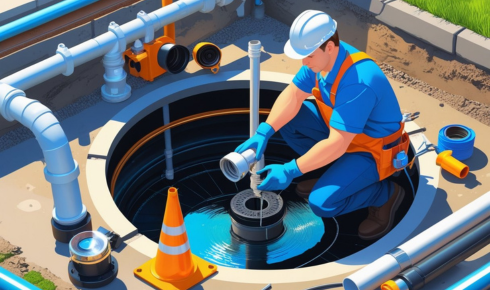
There’s a strange kind of comfort in things working exactly as they should. You turn on a tap, water flows. You flush, and it disappears without a second thought. No noise, no delay, no questions. It’s easy to assume it’s always going to be that way.
But beneath the surface—literally—there’s a whole system carrying the weight of those everyday moments. And when something in that system falters, even slightly, you start to notice how much you’ve been taking for granted.
When the Underground Starts Speaking Up
Most plumbing issues don’t announce themselves with a bang. They start quietly. A slow drain here, a faint odor there. Maybe a patch of lawn that looks a little too green, or a sound in the pipes that wasn’t there before.
It’s easy to brush these things off. Life’s busy, after all. But those small signals often point to deeper problems—ones that don’t fix themselves.
That’s usually when sewer repair experts enter the picture. Not because things have completely fallen apart, but because someone finally decides it’s worth looking into what’s happening underground.
Sewer systems are complex in their own quiet way. They deal with constant flow, pressure, and external elements like soil movement and root intrusion. And when something goes wrong, it rarely stays small for long. Catching issues early can mean the difference between a targeted repair and a full-scale replacement.
Water Systems: The Other Half of the Story
If sewer lines are about what leaves your home, water lines are about what comes in. Clean, pressurized water that you rely on dozens of times a day without even thinking about it.
Until, of course, something changes.
A drop in pressure might seem minor at first. Maybe the water isn’t as clear as it used to be, or there’s a subtle shift in taste. These are often the early signs that something isn’t quite right.
This is where water repair specialists make a difference—not just in fixing leaks or breaks, but in diagnosing the root cause of the issue. Sometimes it’s aging pipes. Other times, it’s environmental factors or installation quirks that only show themselves years later.
What’s interesting is how these problems can stay hidden for so long. Water lines don’t always leak in obvious ways. They can lose efficiency gradually, affecting performance before they cause visible damage.
And that’s why paying attention to those small changes matters more than most people realize.
Scaling Up: When the Stakes Get Higher
While residential systems come with their own challenges, things take on a different scale when you step into larger developments. Office buildings, retail spaces, multi-unit housing—these environments depend on systems that handle much greater demand.
In these cases, the work often falls under commercial utility projects, where planning, precision, and coordination become even more critical.
It’s not just about connecting pipes. It’s about designing systems that can handle high usage, fluctuating demand, and long-term wear without constant intervention. There’s a level of strategy involved—anticipating future needs, accounting for environmental factors, ensuring compliance with regulations.
And when something goes wrong in a commercial setting, the impact is broader. It’s not just one household affected—it’s multiple businesses, employees, customers. The margin for error shrinks, and the importance of getting things right the first time becomes even clearer.
The Balance Between Fixing and Preventing
One of the biggest misconceptions about plumbing is that it’s purely reactive. Something breaks, you fix it. Simple, right?
Not quite.
The most effective approach is often a balance between repair and prevention. Addressing issues before they escalate, maintaining systems so they last longer, and understanding the specific needs of your setup.
It doesn’t require constant attention, but it does benefit from occasional check-ins. A bit of awareness goes a long way.
Because once a problem becomes obvious, it’s usually been developing for a while. And by then, your options might be more limited.
Choosing the Right People for the Job
Not all repairs are created equal. Some require quick fixes, others demand a deeper understanding of the system as a whole.
What makes a difference is working with people who don’t just see the immediate issue, but understand the bigger picture. Who can look at a problem and think beyond the obvious solution.
There’s a certain confidence that comes from experience—not just in knowing what to do, but in knowing why it works. And that kind of insight tends to show up in the results.
It’s not about complexity for the sake of it. It’s about clarity. Getting to the root of the issue and addressing it in a way that holds up over time.
A System You Only Notice When It Fails
At the end of the day, plumbing is one of those things that fades into the background when it’s working well. It doesn’t demand attention, it doesn’t ask for recognition. It just does its job.
And maybe that’s why it feels so disruptive when something goes wrong. Because suddenly, something that was invisible becomes impossible to ignore.
Final Thoughts That Feel a Bit Like a Reminder
There’s value in understanding what’s happening beneath your home or building—even if it’s just a little. Not because you need to become an expert, but because awareness helps you make better decisions when it counts.
Listen to the signs. Pay attention to changes. And don’t wait for a situation to escalate before taking it seriously.
Because when everything is working as it should, you won’t think about it at all. And honestly, that’s exactly how it’s meant to be.