
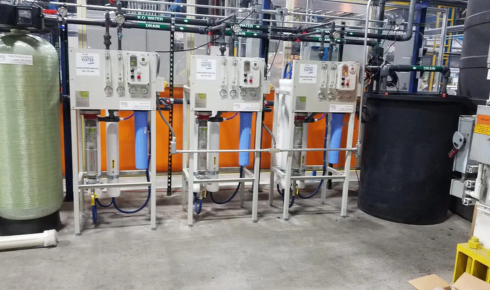
Walk into a busy restaurant during lunch hour, a hospital early in the morning, or a manufacturing floor halfway through a long shift, and one thing is quietly keeping everything moving: water. Not the kind you think about, not the kind you see advertised, but the dependable, behind-the-scenes flow that makes daily operations possible. When it works, nobody notices. When it doesn’t, everything slows down—or stops entirely.
Commercial spaces have a very different relationship with water than homes do. The stakes are higher, the demand is constant, and the margin for error is slim. Yet many businesses only think about their water systems when a problem forces them to. That’s understandable, but it’s also risky.
Why Commercial Water Is a Different Beast Altogether
Residential water use is predictable. Commercial water use is not. A café might experience sudden rushes, a hotel might peak early mornings and late evenings, and an industrial facility might rely on consistent, heavy usage all day long. Each scenario places unique pressure on plumbing, filtration, and treatment systems.
This is why commercial water system installation isn’t just a scaled-up version of a home setup. It requires deeper planning, stronger materials, and a clear understanding of how water will be used, reused, heated, cooled, or treated throughout the building. One miscalculation can lead to inefficiencies that quietly drain money over time.
Businesses don’t always realize how much water quality affects their output. Hard water can damage equipment. Poor filtration can affect taste, sanitation, or compliance. In some industries, water isn’t just a utility—it’s part of the product.
When Water Quality Becomes a Business Risk
For restaurants and cafes, water quality shows up in taste. Customers might not be able to explain why their coffee tastes different, but they’ll notice. For healthcare facilities, water quality ties directly to hygiene and safety standards. In manufacturing, mineral buildup can reduce equipment lifespan and increase downtime.
What’s tricky is that these problems often build slowly. Scale forms inside pipes. Filters clog faster than expected. Energy bills creep upward. None of it feels urgent—until suddenly it is.
At that point, fixes tend to be reactive, expensive, and disruptive. Planning ahead is quieter, but far more effective.
Planning Before Pipes Are Laid
The smartest water decisions often happen long before a building opens its doors. During construction or renovation, there’s a rare opportunity to think holistically about water. How much will be needed? Where will pressure fluctuate? What kind of treatment is necessary based on local water conditions?
Good design and installation considers all of that upfront. It’s not just about meeting today’s needs, but anticipating tomorrow’s growth. A system that works perfectly for a small operation can struggle once business expands. Planning for flexibility can save significant costs later.
This stage isn’t glamorous. It involves calculations, schematics, and a lot of “what if” scenarios. But it’s where long-term reliability is built.
Efficiency Is More Than a Buzzword
Commercial operations are under constant pressure to cut costs without sacrificing quality. Water systems play a bigger role in this than many people realize. Efficient systems reduce waste, lower energy consumption, and minimize maintenance needs.
For example, properly sized systems avoid overworking components. Smart regeneration cycles prevent unnecessary water use. Durable materials reduce the frequency of repairs. These details don’t make headlines, but they show up clearly in monthly operating expenses.
Efficiency also ties into sustainability, which matters to more businesses than ever. Reducing water and energy waste isn’t just good ethics—it’s good economics.
Maintenance Is Part of the System, Not an Afterthought
Even the best-installed system won’t stay perfect forever. Commercial environments are demanding, and maintenance is part of the deal. The difference between smooth operation and constant headaches often comes down to how maintenance is approached.
Proactive checkups catch small issues before they turn into downtime. Filters get replaced on schedule. Valves and controls stay responsive. When maintenance is planned, it feels routine. When it’s ignored, it feels like a crisis.
The goal isn’t zero problems—that’s unrealistic. The goal is predictable performance and manageable upkeep.
One Size Never Fits All
A common mistake in commercial settings is assuming what worked somewhere else will work everywhere. Two restaurants can have completely different water challenges based on location, building age, and usage patterns. The same goes for offices, schools, or industrial sites.
Local water chemistry matters. So does the building’s plumbing layout. So does how the business actually operates day to day, not how it looks on paper. Systems that ignore these nuances tend to underperform.
Customization isn’t about overengineering. It’s about fitting the solution to reality.
The Human Side of Infrastructure
It’s easy to talk about water systems in purely technical terms, but there’s a human side too. Employees rely on clean, reliable water. Customers experience the results indirectly. When systems work well, nobody thinks about them—and that’s a quiet success.
When systems fail, stress spreads fast. Operations pause. Staff scramble. Managers juggle calls and complaints. Water problems have a way of touching everything, which is why preventing them matters more than reacting to them.
Thinking Long-Term Pays Off
Investing in the right water system isn’t about chasing perfection. It’s about resilience. It’s about knowing that your business can handle busy days, growth spurts, and unexpected demands without falling apart at the seams.
Over time, the benefits compound. Equipment lasts longer. Energy bills stabilize. Compliance becomes easier. And perhaps most importantly, water stops being a concern and goes back to being what it should be: a reliable support system.
In commercial spaces, success often depends on things customers never see. Water is one of them. Getting it right isn’t flashy—but it’s foundational. And foundations, when done well, hold everything else up.